Blog

  • Natural Garden Canopy Ideas for Your London Garden

    Natural Garden Canopy Ideas for Your London Garden

    Standing beneath a tree on a warm afternoon, you’ll immediately feel the difference. It’s cooler, calmer, somehow more peaceful. That’s your garden’s canopy at work, and honestly? It’s one of the most underused opportunities in London gardens.

    Here at The Southwest London Gardener, we get genuinely excited talking about canopies because they transform spaces in ways that ground-level planting often can’t match. Yet so many people focus entirely on what’s at eye level, missing out on this whole dimension above. Let me share what we’ve learned about creating natural canopies that actually work in London gardens.

    What Exactly is a Garden Canopy?

    Simply put, it’s the upper layer of your garden – trees, climbing plants, anything creating cover overhead. Think of it as your garden’s ceiling.

    In nature, canopies do important work: they create shade, shelter wildlife, and regulate temperature. Your garden canopy can do all of this too. The natural approach means using plants that suit our local climate and support local wildlife, rather than fighting against what wants to grow here. Once established, they largely look after themselves.

    Why Bother with a Canopy?

    It Makes Your Garden More Comfortable

    London summers are getting hotter. A good canopy can drop the temperature underneath by several degrees, making your garden actually usable on scorching days. Plus, it helps cool your house too, which your energy bills will appreciate.

    It Brings Your Garden to Life

    Native trees and climbers support local birds, insects, and wildlife in ways that exotic plants don’t. When we plant a native oak or hawthorn, we’re not just adding greenery – we’re creating habitat. The difference is remarkable. You’ll notice more birdsong, more butterflies, more life.

    It Gives You Privacy

    London gardens and privacy don’t always go hand in hand. A natural canopy screens you from neighbours and overlooking windows without the harshness of tall fencing. Better yet, it improves with age rather than rotting away.

    It’s Good for You 

    Time spent under trees genuinely reduces stress and anxiety. There’s something about being surrounded by nature above and around you, not just at ground level. I see this with clients constantly, where their gardens become their retreat.

    Ideas That Actually Work in London

    Trees for Smaller Gardens

    “My garden’s too small for trees” – I hear this all the time, and it’s rarely true. The right tree in the right spot transforms even compact spaces.

    Field Maple – Beautiful autumn colour, stays manageable, completely unfussy about conditions. Perfect for London gardens.

    Hawthorn – Spring blossom that stops people in their tracks, berries for birds in autumn, and supports dozens of insect species. A wildlife magnet.

    Birch – That distinctive white bark looks stunning year-round, and the dappled shade underneath is perfect for other plants.

    These aren’t fussy exotic specimens needing constant attention. They’re native, they know what they’re doing here, and they get on with it. We source them from local nurseries, so they settle in quickly without the shock that imported plants often suffer.

    Climbing Plants for Vertical Space

    If ground space is tight, grow upwards. Climbers create overhead interest without taking up precious planting area.

    Honeysuckle – That evening fragrance is incredible, and night-flying moths love it. It’s one of those plants that earns its keep.

    Ivy – Yes, ivy gets bad press, but hear me out. It flowers late in the season when little else does, providing crucial food for insects. In winter, it offers shelter for birds and hibernating creatures. Managed properly, it’s a real asset to any garden.

    Train these over pergolas, arches, or along boundaries to create living ceilings. The trick is choosing vigorous but manageable varieties. We’ve learned through years of experience which ones deliver without taking over.

    Fruit Trees – Beauty and Breakfast

    Why not make your canopy productive? Apple and pear trees give you spring blossom, summer shade, and autumn fruit. Trained flat against walls or fences (called espalier), they take up minimal space while looking architectural and beautiful.

    We love heritage varieties that naturally resist common pests – these have survived for generations because they’re tough and reliable, unlike many modern varieties bred for supermarket shelves rather than garden performance.

    Using What You Already Have

    That old pergola or arch in your garden – before assuming it needs replacing, let’s look at what we can do with it. Often, these structures just need refreshing and replanting. Using natural wood and climbing plants together creates instant impact that only gets better as plants mature.

    Our team love transforming existing features. It’s more sustainable, usually cheaper, and there’s something satisfying about giving old structures new life rather than sending them to landfill.
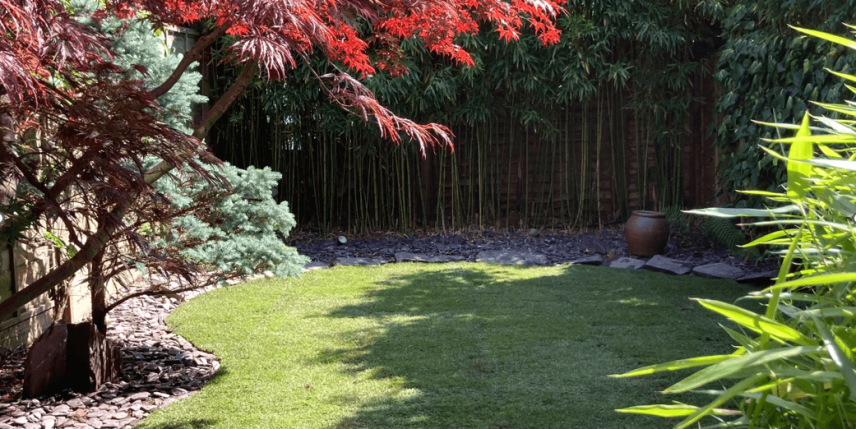
    Making It Happen: What You Need to Know

    Placing Your Canopy Thoughtfully

    Where you put canopy elements makes all the difference. It’s not just about planting a tree and hoping for the best – positioning determines whether your canopy becomes a garden asset or a constant headache.

    Consider the Sun’s Path – Watch how sunlight moves through your garden across the day. That sunny spot at breakfast might be shaded by neighbouring buildings by teatime. We position canopy trees to provide shade where you actually sit and relax, not where you never go. South-facing seating areas absolutely benefit from overhead cover during summer, while morning sun on a breakfast terrace is often worth preserving.

    Think About Views – What do you see from your kitchen window or favourite armchair? A well-placed tree can frame a view beautifully or screen out something unsightly. Conversely, planting without thinking can block light from your home or obliterate views you cherish. We always stand in the key spots – inside and out – before deciding where canopy elements should go.

    Respect Boundaries – Overhanging trees and neighbours don’t always mix well. We consider mature size and position trees so they enhance your space without creating disputes. It’s far easier to get this right initially than to deal with an awkwardly placed tree later.

    Underground Matters Too – Drains, foundations, and underground services all influence where we can plant. Large trees need space for roots to spread without causing problems. This isn’t guesswork – we know which species have aggressive root systems and which behave themselves.

    What Thrives Beneath Your Canopy

    Creating a successful canopy isn’t just about what’s overhead – it’s about what flourishes underneath. This is where many gardens miss a trick, leaving bare soil or struggling grass under trees when you could have a thriving lawn.

    Woodland Plants for Dry Shade – Under established trees, the ground is often dry and shady – tough conditions for most plants. But woodland natives have evolved exactly for this. Picking the right species means they knit together to create lush ground cover that looks after itself.

    Spring Bulbs for Early Interest – Before your tree canopy fully leafs out in spring, there’s a window of light. Native bluebells, wood anemones, and snowdrops exploit this perfectly, flowering early then dying back as the canopy fills in. You get spectacular spring displays without any summer maintenance.

    What Won’t Work – Lawns struggle under canopy trees, no matter what anyone tells you. The combination of shade, root competition, and dry conditions defeats most grass. Fighting this reality wastes time and money. Instead, embrace shade-loving ground covers or even leave the area as natural leaf mulch – it looks intentional and feeds the soil.

    Managing Existing Plants – Those overgrown shrubs under your trees probably don’t need removing – they need proper pruning. Plants that have survived in your specific conditions have already proven they can cope with your soil, shade levels, and moisture. That’s valuable information. We often find that careful management of established plants gives better results than starting from scratch.

    Our Experience Working in London Gardens

    We’ve been doing this for decades across southwest London, and we’ve learned what works and what doesn’t in our specific conditions. Every garden is different – different soil, different aspect, different challenges – but certain principles hold true.

    We focus on native and climate-appropriate plants because they’re simply more reliable. We avoid chemicals because natural pest control actually works better long-term. We reuse and repurpose materials wherever possible because it makes environmental and economic sense.

    Last year alone, we recycled over 11 tonnes of garden waste – turning it into compost rather than sending it to landfill. That same philosophy guides our canopy work: work with nature, minimise waste, create systems that maintain themselves.

    Ready to Start?

    Creating a natural canopy isn’t complicated, but it does need someone who understands your specific site and can match the right plants to your conditions. Whether you’re starting from scratch or want to enhance what you already have, we’d love to help.

    The gardens we create across southwest London have shade, privacy, wildlife, and genuine wellbeing benefits – without needing constant intervention. They’re spaces that work with nature rather than fighting it.If you’re thinking about adding a canopy to your garden, or you’re not sure where to start, just get in touch. We’ll visit your garden, talk through what’s possible, and help you create something that works for your space and lifestyle.

  • How To Design Gardens That Look Good in Winter

    How To Design Gardens That Look Good in Winter

    Most gardens fade into irrelevance once autumn ends. 

    Bare stems, brown patches, and muddy borders dominate the view from your kitchen window for four months. Here at The Southwest London Gardener, we think your garden doesn’t need to hibernate just because the weather’s turned cold, and we’ve created this article to tell you more. 

    Let’s take a look.

    Why Winter Garden Design Matters

    You’ll spend more time looking at your garden in winter than working in it. Those views from indoors matter when grey days stretch on. A garden designed for winter interest transforms bleak months into something worth observing. Structure, texture, and strategic plant choices create scenes that hold your attention even when growth has stopped.

    Winter design isn’t about cramming in winter-flowering plants. It’s about understanding how light, form, and colour work differently in cold months. Low winter sun creates long shadows that highlight the structure. Frost transforms ordinary seed heads into architectural features. Rain makes bark colours more intense.

    The benefits extend beyond aesthetics. Gardens with winter interest encourage you to be outside during months when you might otherwise avoid the space entirely. Brief visits to check on overwintering wildlife or observe frost patterns maintain your connection to the garden through dormant months.

    Structure: The Foundation of Winter Gardens

    Evergreen Plants Create the Backbone

    Deciduous plants disappear in winter, leaving gaps that feel chaotic without structural anchors. Evergreens provide continuity when everything else retreats. They don’t need to dominate; strategic placement creates impact without overwhelming the space.

    Box and yew offer formal structure through clipped shapes. Use them to define borders or create focal points that remain visible year-round. Holly provides a similar structure with the bonus of winter berries. Choose varieties suited to your space, such as compact forms for small gardens, larger specimens where room allows.

    Ivy often gets dismissed as problematic, but it provides valuable winter cover on fences and walls. It flowers late in autumn when little else does, then produces berries through winter. The evergreen foliage looks respectable year-round whilst supporting overwintering insects.

    Architectural Plants With Winter Presence

    Some deciduous plants earn their place through strong winter structure. Dogwoods stripped of leaves reveal coloured stems of deep burgundy, bright coral, or lime green, depending on variety. Cut them back hard in late winter to maintain compact size and encourage vibrant stem colour for next year. Group them for impact rather than dotting single specimens around.

    Hydrangeas hold their flower heads through winter if you resist autumn tidying urges. Dried blooms catch frost beautifully and provide seed for birds. Leave them standing until new growth appears in spring. This contradicts conventional advice about autumn clearance, but winter interest outweighs tidy borders.

    Ornamental grasses maintain form through winter. Their seed heads persist until strong winds or heavy snow finally flatten them. Position them where the morning or evening sun will illuminate them from behind.

    Hard Landscaping Becomes More Visible

    Winter reveals your garden’s bones. Paths, walls, and structural elements dominate the view when plants recede. This makes winter the ideal time to assess whether your hard landscaping works. Wonky paths and poorly positioned features become obvious without summer growth disguising them.

    Use this visibility strategically. Well-designed paths draw the eye through the garden even when borders are dormant. Natural stone weathers beautifully and looks better in winter light than artificial alternatives. Gravel paths provide textural interest and allow winter rain to drain naturally rather than creating muddy puddles.

    Colour in the Winter Garden

    Bark and Stems Provide Unexpected Interest

    Bark becomes more prominent once leaves fall. Some species offer remarkable winter colour that’s visible from indoors. Silver birch displays white bark that almost glows on grey days. The papery bark catches light even on overcast afternoons. Plant them where you’ll see them from kitchen or living room windows.

    Cherry trees offer polished bark in shades from copper to deep mahogany. The glossy surface reflects the winter sun beautifully. These trees justify their space through year-round interest, providing spring blossom, summer shade, and winter structure.

    Berries and Hips Feed Birds and Your Eyes

    Berry-bearing plants serve dual purposes. They provide winter food for birds whilst adding colour to dormant gardens. Choose species that hold their fruit through winter rather than those stripped clean by autumn birds.

    Cotoneaster produces masses of red berries that persist well into winter. Birds eventually take them, but usually not until other food sources are exhausted. 

    Pyracantha covers itself in orange, red, or yellow berries, depending on the variety. The thorny growth provides excellent nesting sites for birds, whilst berries feed them through winter. Train it against walls or fences where its evergreen foliage provides year-round structure.

    Holly berries provide classic winter colour. You’ll need both male and female plants for berry production, so make sure you check the labels when purchasing. Native holly supports British wildlife better than exotic varieties whilst providing traditional winter interest.

    Unexpected Winter Flowers

    Some plants flower during winter months, providing genuine blooms when you’d least expect them. Hellebores push through frozen ground from January onwards. Their nodding flowers last for weeks and cope with frost that would destroy more delicate blooms. Plant them where you’ll see them from paths, as their downward-facing flowers need close viewing.

    Winter-flowering heathers carpet the ground with purple, pink, and white when little else shows colour. They tolerate poor soil and provide valuable early nectar for any bees active on mild days. Mass them for impact rather than scattering individual plants.

    Winter jasmine scrambles over walls and fences, producing bright yellow flowers through the darkest months. It’s easy to grow and flowers reliably even in shaded positions. The bare green stems look decent between flowering periods.

    Texture and Form Through Winter

    Grasses Add Movement

    Winter gardens can feel static without plants that move in the breeze. Grasses maintain this dynamic quality when other plants stand rigid. Even common varieties create interest through movement and sound.

    Choose grasses that bleach to attractive colours rather than collapsing into brown mush. Many maintain upright form through the worst winter weather, turning from green through burgundy to buff as winter progresses.

    Position grasses where winter light will illuminate them. Morning sun from behind creates glowing effects. Late afternoon light catches seed heads beautifully. Consider these angles when planting rather than just thinking about summer views.

    Frost Magnifies Texture

    Frost transforms ordinary plants into extraordinary displays. Feathery foliage becomes intricate ice sculptures. Frost highlights textures you barely notice in warmer months. Even common plants look remarkable when rimmed with ice crystals.

    Design with frost in mind. Plants with complex structures, such as ferns, grasses, and architectural perennials, create the best frost displays. Group them where you’ll see them first thing on frosty mornings. Position them near windows you look through at breakfast.

    Lavender holds its form through winter and looks spectacular when frosted. The grey-green foliage provides year-round structure whilst flower spikes persist if you leave them uncut. The architectural mounds work well in formal or informal settings.

    Practical Design Strategies

    Create Viewing Points

    Position winter interest where you’ll actually see it. That beautiful bark on a tree hidden at the garden’s far end provides little benefit during months when you rarely venture outside. Place winter features near the house where they’re visible from windows.

    Design sight lines that draw attention to winter highlights. Frame views with an evergreen structure. Use paths to guide eyes toward focal points. Consider which windows you look through most frequently and position your interesting features accordingly.

    Layer Your Planting

    Winter gardens need depth to remain interesting. Flat borders look particularly bleak when dormant. Create layers, such as low ground cover, medium height perennials, tall grasses, structural shrubs, and specimen trees. This layering maintains visual complexity when individual plants lose their impact.

    Position plants with winter interest throughout the layers. Ground-level hellebores, mid-height seed heads, tall grasses, and architectural shrubs create varied heights that prevent winter monotony.

    Plan for Succession

    Different elements peak at different times throughout winter. Early displays might feature berries and autumn foliage remnants. Mid-winter highlights structural plants and bark. Late winter brings early bulbs and winter flowers. Plan for this succession rather than expecting constant peak interest.

    Accept that winter gardens change character as the season progresses. Enjoy each phase rather than trying to maintain static displays. The evolution provides interest through months that would otherwise feel unchanging.

    Common Winter Garden Mistakes

    Don’t over-tidy in autumn. That urge to cut everything back creates bare earth that looks terrible through winter. Resist it. Leave structural plants standing and only clear genuinely messy growth that’s collapsed into slimy piles.

    Avoid relying solely on evergreens. All-evergreen gardens feel heavy and static. Mix evergreen structure with deciduous plants offering winter interest. The contrast between solid forms and delicate dried stems creates more engaging compositions.

    Don’t neglect winter maintenance completely. Brief visits to remove genuinely collapsed growth, check for wind damage, and clear leaves from evergreens keep the garden looking intentional rather than abandoned. Ten minutes monthly maintains winter presentation without excessive intervention.

    When Professional Input Helps

    Creating winter interest requires understanding plant characteristics through seasons you can’t observe when making purchase decisions. Summer nursery visits reveal little about winter performance. Professional garden designers know which plants deliver winter impact in London gardens because we’ve observed them through multiple winters.

    At The Southwest London Gardener, we select plants based on year-round contribution rather than just peak season appeal. We understand which combinations create winter interest whilst functioning well through other seasons. Our experience in soft landscaping in London prevents costly mistakes, such as purchasing plants that disappoint in winter or that fail to establish in your specific conditions.

    We’ll help you create a garden that earns its space through all twelve months. Winter shouldn’t mean closing the curtains on your outdoor space for a third of the year. With thoughtful design, those cold months become something worth observing rather than enduring.

    Ready to transform your garden’s winter appearance? Our team brings decades of combined experience creating natural, sustainable spaces across Southwest London that look good year-round.

    Contact us today to discuss how we can help your garden shine through the winter months.

  • Rewilding Your London Garden: A Beginner’s Guide

    Rewilding Your London Garden: A Beginner’s Guide

    Your perfectly manicured lawn demands attention every weekend. The borders need constant weeding. That hedge won’t trim itself. There’s another way to approach your garden that requires less work, not more, and that’s letting it get a bit more wild.

    Here at The Southwest London Gardener, we love creating natural gardens that work for our customers, and rewilding can be key to this. 

    We’ve created this blog to tell you more. 

    What is Garden Rewilding?

    Rewilding means deliberately reducing your intervention and letting natural processes do the heavy lifting. You’re not abandoning your garden to chaos, but instead you’re choosing which battles to stop fighting. Native plants establish themselves. Wildlife finds habitat. The ecosystem balances itself without weekly maintenance sessions.

    The approach differs from traditional gardening. Instead of imposing your will through constant mowing and chemical applications, you create conditions that allow natural systems to function. You’re still making design decisions, but you’re working as a facilitator rather than fighting nature’s preferences.

    In London’s concrete landscape, your garden matters more than you’d think. That modest patch behind your house provides refuge for species that can’t find homes elsewhere. Urban rewilding turns private gardens into a network of connected habitats across the city. Each rewilded space becomes a stepping stone, allowing wildlife to move through otherwise hostile urban territory.

    Why Rewild Your London Garden?

    A rewilded garden demands less from you once established. Mowing drops from weekly to monthly, or stops entirely in rewilded sections. Water bills fall because native plants cope with local rainfall patterns. You’ll bin the fertilisers and pesticides, as these are unnecessary expenses for plants that thrive without chemical assistance.

    The financial savings accumulate quickly. Consider what you currently spend on lawn treatments, pest controls, excessive water usage, and replacement plants that fail to thrive. Rewilding eliminates most of these costs whilst creating a more resilient garden.

    Wildlife responds immediately. Birds arrive within weeks. Butterflies follow shortly after. Bees become regular visitors. Your garden joins the patchwork of urban habitats supporting London’s struggling species. Wildlife that’s declined dramatically in recent decades finds refuge in spaces that provide what modern development has removed.

    The mental health benefits surprise most people. Natural spaces reduce stress more effectively than formal gardens. Watching ecological processes unfold without constant human interference provides a particular type of calm that manicured lawns can’t match. For families, rewilded sections offer educational opportunities where children learn about ecology through direct observation.

    Getting Started: The Practical Steps

    Assess What You Already Have

    Walk your garden and note what already thrives without fuss. Those overgrown shrubs might need shaping rather than removal. Established plants have proven they work in your specific conditions. Start there.

    Take notes about which areas receive full sun, which stay damp, and where shade dominates. These observations inform decisions about which plants to introduce and which areas to prioritise. Consider what you want to preserve. This could be a lawn section for children’s play or a clear patio space for dining. Rewilding doesn’t require transforming every square metre.

    Start Small, Think Long-Term

    Pick one area. Perhaps that awkward strip along the fence or the corner that’s always been troublesome. Transform that section first. Expand once you’ve seen what works.

    Starting small allows you to gauge results without committing to wholesale changes. You’ll learn about your garden’s specific conditions and adjust your approach accordingly. Success in one area builds confidence for tackling the next.

    Let Your Lawn Evolve

    Mow less frequently and observe what appears. Daisies, clover, and self-heal establish quickly. These wildflowers feed pollinators. Raise your mower height and cut paths through longer grass rather than scalping everything. You’ll maintain access whilst creating habitat.

    The transformation happens faster than you’d expect. Within three to four weeks of reduced mowing, you’ll notice different species emerging. Some areas develop thick, diverse growth, whilst others remain shorter naturally. Work with these variations rather than fighting them.

    For bigger changes, replace lawn sections with native wildflower meadows. They need effort initially, such as preparing soil, sowing seed, and managing competition, but only require cutting twice yearly once settled. Spring and late summer cuts maintain the meadow whilst allowing plants to complete their flowering and seeding cycles.

    Add Native Plants

    Native species form the foundation of successful rewilding. They’ve evolved alongside local wildlife and provide exactly what insects, birds, and small mammals need. We source them locally when possible, ensuring they’re already adapted to Southwest London conditions. This reduces transplant shock and increases establishment success rates.

    Introduce plants in groups rather than single specimens. Clusters create visual impact and support pollinator efficiency. Insects find grouped plantings more easily and spend less energy travelling between food sources.

    Create Habitat Features

    Wildlife needs more than plants. Log piles shelter insects that feed birds. Stack them in shaded corners where they’ll decompose slowly, providing long-term habitat. Varied log sizes accommodate different species, from tiny beetles to hedgehogs seeking winter refuge.

    Leave fallen leaves in borders rather than clearing them away. They’re habitat and mulch combined, suppressing weeds whilst sheltering overwintering invertebrates. Only clear leaves from lawns and hard surfaces where they cause genuine problems.

    Stone piles create refuges for beneficial insects and basking spots for creatures that need warmth. Position them in sunny locations where they’ll absorb heat during the day. Gaps between stones provide hiding places and hibernation sites.

    Water needn’t be elaborate. A shallow dish topped up regularly provides drinking water for birds and bathing spots for feather maintenance. Position it where you can observe visitors but where birds feel safe from predators. Nearby cover allows nervous species to approach cautiously.

    Managing the Transition

    What About the Neighbours?

    Rewilded gardens needn’t look abandoned. Define boundaries with paths or low hedging. Keep edges tidy whilst allowing interiors to develop naturally. This demonstrates intention rather than neglect. Most complaints about natural gardens stem from perceived neglect rather than the wildness itself.

    Brief conversations prevent misunderstandings. Explain what you’re doing and why. Most neighbours respond positively once results become visible, particularly increased wildlife. Some might even adopt similar approaches once they see the benefits and reduced maintenance requirements.

    Consider your garden’s visibility. Front gardens often face more scrutiny than private rear spaces. You might choose more conventional approaches for highly visible areas whilst rewilding hidden sections. Alternatively, well-designed front garden rewilding can inspire entire streets once neighbours see the results.

    Dealing with Concerns About Pests

    Rewilded gardens control pests naturally. Supporting predators like ladybirds, ground beetles, and insect-eating birds creates pest management that outperforms chemicals. Healthy ecosystems maintain balance and pest populations rarely explode when their natural predators thrive.

    Aphids attract ladybirds and hoverflies whose larvae consume them voraciously. Slugs feed thrushes and hedgehogs. Accept minor pest damage as part of functional ecosystems. Plants cope with nibbled leaves far better than with chemical treatments that harm beneficial species alongside pests.

    The Timeline

    Visible changes appear within weeks. Wildflowers emerge once you stop frequent cutting. Insects arrive almost immediately. Some within days of planting appropriate species. Birds take longer to recognise reliable habitat, but within one season, you’ll notice increased activity.

    Full establishment takes two to three years. Root systems need time to develop, and ecological relationships need time to form. Plants focus initial energy on root growth rather than impressive above-ground displays. Second and third year performance typically exceeds first year results dramatically.

    Patience during establishment pays dividends. Resist the urge to intervene too quickly when plants look stressed or growth seems slow. Natural systems develop at their own pace, creating resilience that rushed approaches can’t match.

    Common Mistakes to Avoid

    Don’t clear everything simultaneously. Those “messy” areas might already support wildlife. Work gradually and observe what’s present before changing anything. You might discover established populations worth preserving.

    Resist over-tidying. Seed heads that look untidy in autumn provide winter food for birds. Standing stems shelter overwintering insects that emerge in spring to pollinate your plants. Premature autumn clearance destroys habitat that wildlife depends on through harsh months.

    Don’t expect instant perfection. Rewilding creates dynamic spaces that change through seasons and years. What looks sparse in year one develops into abundant growth by year three. Trust the process rather than panicking when initial results don’t match your expectations.

    When to Seek Professional Guidance

    Some rewilding aspects benefit from experienced input. Identifying which established plants to retain, sourcing appropriate native species, and managing transitions without creating genuine problems. These areas often justify professional involvement. The difference between successful rewilding and disappointing results often lies in initial plant selection and placement.

    Professional guidance accelerates success. Our team help you avoid expensive mistakes, such as purchasing inappropriate plants, clearing valuable habitat, or creating designs that don’t function as intended. Our experience with natural gardening in London shortens your learning curve considerably.

    Your Next Steps

    Begin by observing. Spend time noting what already grows without assistance. These volunteers indicate what naturally thrives in your conditions. Photograph your garden through the seasons to understand how light, moisture, and growth patterns change.

    Build from your observations, adding complementary native species and reducing intervention. Start with easy wins, such as reducing mowing frequency, which costs nothing and produces immediate results. Gradually introduce changes as you gain confidence.

    Within months, you’ll have something genuinely valuable, such as a garden supporting both you and the wider natural world. It’ll require less time and resources whilst providing greater satisfaction. That’s not a compromise. It’s finding approaches that work sustainably rather than demanding constant effort to maintain artificial conditions.

    The transformation extends beyond your garden’s boundaries. Every rewilded space contributes to London’s ecological network. Your modest patch becomes part of something larger, supporting species across the city whilst giving you a more enjoyable, lower-maintenance garden.

    Ready to explore rewilding for your London garden? Our team brings decades of combined experience creating natural, sustainable spaces across Southwest London. We’ll help develop an approach suited to your specific garden and goals.

    Contact us today to discuss how rewilding could transform your outdoor space.

  • 6 Ways a Garden Makeover Brings Families Together

    6 Ways a Garden Makeover Brings Families Together

    Gardens are more than just outdoor spaces. They are places where children play, parents relax, and friends gather. Yet too many gardens are underused, either because they feel impractical, tired, or simply uninspiring. A thoughtful garden makeover does more than improve appearances. It creates a setting where families naturally come together.

    At The Southwest London Gardener, we have seen how transforming an outdoor space can transform how people use it. From encouraging play to creating social hubs, a well-designed garden quickly becomes the backdrop to everyday life.

    Here are six powerful ways a garden makeover brings families closer.

    1. A safe and welcoming place for children to play

    For many families, the garden is the first place children learn independence. It is where they play freely, explore, and spend time away from screens. Yet if a garden is cluttered, uneven, or uninspiring, children are less likely to spend time there.

    A makeover introduces safe, practical features:

    • Smooth lawns or play surfaces for running around
    • Clear boundaries and fencing to give peace of mind
    • Child-friendly planting that avoids thorns or toxic species
    • Dedicated zones where toys, trampolines, or playhouses fit naturally

    Our article on creating a child-friendly garden explores practical steps for families in London. By designing with children in mind, you create a safe space that encourages them outdoors, giving parents a chance to relax while still keeping an eye on play.

    2. Outdoor dining that makes family meals special

    Eating together is one of the simplest ways families connect. A garden makeover that includes a dedicated dining area makes this effortless. Instead of eating in front of the television, you can enjoy meals outside, surrounded by greenery.

    Adding a level patio with a sturdy dining table, or even a pergola for shade and shelter, transforms ordinary meals into occasions. Pair this with soft lighting, as explained in our blog on using garden lights, and family dinners become something to look forward to.

    A barbecue, pizza oven, or outdoor kitchen takes things further. Cooking outside brings everyone together and is perfect for parties, from children helping with preparation to grandparents enjoying the atmosphere.

    3. Spaces for relaxation and conversation

    It is easy for families to become absorbed in separate routines. Parents work long hours, children spend time on homework or screens, and evenings slip by without much shared downtime. A garden makeover creates natural opportunities for reconnection.

    By designing comfortable seating zones, families gain new places to talk, read together, or simply relax side by side. Our guide to creating seating areas highlights how the right placement makes a difference. A bench tucked into a corner for quiet chats, or a sofa-style arrangement for bigger gatherings, provides options for all occasions.

    Add a fire pit, and suddenly cooler evenings become invitations to gather outside with blankets, stories, and warm drinks. These small rituals make family life richer.

    family garden party

    4. Gardening as a shared activity

    Gardening itself is a bonding activity. Planting, watering, and tending to flowers or vegetables gives families shared projects with visible rewards. Children learn patience and responsibility, while adults gain satisfaction from working alongside them.

    A makeover makes this easier by creating dedicated growing areas. Raised beds, small herb gardens, or even a greenhouse offer manageable spaces for families to garden together.

    Not only does this encourage outdoor activity, it also sparks conversations about food, seasons, and sustainability. It is learning and bonding wrapped into one.

    5. Year-round celebrations and gatherings

    Gardens are natural settings for birthdays, family parties, and seasonal celebrations. Yet many go unused because they are not designed to host people comfortably. Uneven paving, poor lighting, or lack of shelter make entertaining stressful rather than enjoyable.

    A makeover removes these barriers. With level patios, atmospheric lighting, and covered areas, families can use their gardens all year round.

    Whether it is a summer barbecue, a Halloween gathering, or simply drinks with relatives, a garden designed for hosting becomes the backdrop for memories that last.

    6. A long-term investment in family wellbeing

    Finally, a garden makeover provides more than short-term enjoyment. It is an investment in family wellbeing. A well-designed garden encourages more time outdoors, reduces stress, and strengthens connections between generations.

    Our blog on the therapeutic benefits of gardening in the city highlights how time in nature improves mental health. When that nature is right outside your back door, the benefits become part of everyday family life.

    Moreover, a family-friendly garden grows with you. Spaces that begin as play zones for children can evolve into dining or relaxation areas as needs change. A thoughtful makeover adapts to the family’s story, supporting wellbeing for years to come.

    Final thoughts

    A garden makeover is about more than flowers, lawns, or patios. It is about creating a space that supports family life in all its forms. From safe play areas and shared meals to quiet conversations and lifelong memories, the right design makes your garden the heart of your home.

    At The Southwest London Gardener, we specialise in family-focused landscaping, using natural materials and sustainable practices to create gardens that are not just beautiful, but truly lived in.

    Your garden has the power to bring your family together. With the right makeover, it becomes more than an outdoor space. It becomes the setting for your family’s story.

    Contact our team to find out more.

  • When to Call in the Experts for Your Garden Project

    When to Call in the Experts for Your Garden Project

    For many homeowners, gardening starts as a satisfying personal project. A Saturday spent mowing the lawn, a few hours pruning hedges, or even tackling a simple patio installation can feel rewarding. It is hands-on, practical, and you get to enjoy the results immediately.

    But as anyone who has tried to go beyond the basics knows, gardens can quickly become complicated. What begins as a small DIY improvement can soon spiral into a project involving design choices, structural changes, and unexpected challenges. It is at this point that many people ask themselves: is it time to call in the experts?

    At The Southwest London Gardener, we have seen this scenario countless times. People start off with enthusiasm but eventually hit a wall where specialist skills, time, and experience become essential. The trick is not to wait until the project has gone wrong, but to recognise the signs early on.

    Here are the key situations where calling in professional gardeners or landscapers is the smartest choice.

    1. When the scale of the project feels overwhelming

    Tidying up a flowerbed or planting a few shrubs is one thing. Re-levelling an entire garden, installing new boundaries, or redesigning hard landscaping is something else entirely. These larger projects require planning, sequencing, and an understanding of how different elements fit together.

    Consider something as straightforward as clearing an old garden. The volume of material quickly adds up. Soil, plants, old paving, and even broken fences must be removed safely.

    If you find yourself standing in your garden and feeling daunted by the sheer amount of work ahead, that is a clear sign the project is larger than it first appeared. Bringing in experts ensures the work is managed efficiently and safely.

    2. When specialist skills or tools are needed

    Many garden features require knowledge and equipment beyond what most homeowners have at hand. Building a patio, laying turf, installing decking, or creating water features all require precision. Attempting these tasks without the right tools risks poor results, and fixing mistakes later often costs more than hiring professionals in the first place.

    For example, patios that are not laid correctly may sink over time, and decking that is installed without proper support can quickly become unsafe.

    If your garden vision involves construction, excavation, or features that require technical installation, this is exactly when professionals prove their worth.

    3. When design expertise makes the difference

    Plenty of homeowners have creative ideas for their gardens. The challenge lies in pulling those ideas together into a garden design that looks attractive, functions well, and lasts through the seasons. Without experience, it is easy to end up with a collection of features that do not work as a whole.

    Design expertise brings clarity. Professionals balance aesthetics with practicality, ensuring the garden flows as one cohesive space. Our blog on the key elements of a successful garden transformation explains how planning and design underpin every successful project.

    If you feel stuck between competing ideas or are unsure how to create a unified design, calling in the experts saves time, money, and disappointment.

    4. When sustainability matters

    Sustainable gardening is about more than avoiding chemicals. It requires knowledge of how plants, soil, and water work together, and how design decisions impact the environment.

    Professionals know how to integrate sustainable choices without compromising beauty or function. Whether it is reusing materials, harvesting rainwater, or choosing native plants, experts ensure your garden works with nature rather than against it.

    seating area in garden

    5. When your time is limited

    Many people underestimate how long garden projects take. Preparing ground, sourcing materials, and planting all take time. Add in unpredictable weather, and what was meant to be a summer makeover may still be unfinished by autumn.

    Professional teams bring efficiency. A project that might take you several weekends can often be completed in a matter of days.

    If you value your free time, calling in experts prevents projects dragging on and frees you to simply enjoy the space.

    6. When dealing with tricky spaces

    Not all gardens are straightforward. Slopes, narrow plots, or shaded courtyards all present unique challenges. DIY solutions often make these areas harder to manage, while professionals see opportunities.

    If your garden has “problem areas” that leave you scratching your head, calling in professionals unlocks solutions that make those spaces functional and beautiful.

    7. When maintenance is a concern

    It is easy to create a garden that looks good for a few weeks after installation. The real test is how it performs after months and years. A common mistake with DIY projects is selecting plants or materials that are difficult to maintain. The result is a garden that quickly becomes overwhelming.

    Professional landscapers design with maintenance in mind. By choosing hardy plants, durable materials, and layouts suited to your lifestyle, they create spaces that remain enjoyable with minimal effort.

    If you want your garden to be a pleasure rather than a burden, this is a clear sign to involve experts from the start.

    8. When you want to add value to your home

    A well-designed garden is not just enjoyable. It is also a financial asset. Estate agents consistently highlight outdoor spaces as one of the features that add the most value to properties.

    A well-designed front garden can boost curb appeal and make an immediate impression. A professional makeover does not just enhance daily living, it boosts your home’s market appeal too.

    If you are thinking of selling in the future or simply want to invest wisely in your property, calling in the experts ensures maximum return.

    9. When the project involves safety considerations

    Some aspects of landscaping pose safety risks if not done correctly. Building retaining walls, installing electrics for lighting, or working with large trees all require expertise. Poorly executed work can not only ruin the project but also create hazards.

    Professionals understand safety requirements and ensure projects meet legal and practical standards. If your garden project involves structures, heavy lifting, or electrics, expertise is non-negotiable.

    Final thoughts

    There is plenty of satisfaction in tending your garden yourself. Small projects like planting borders or maintaining a lawn can be enjoyable and rewarding. But there are clear moments when expertise makes the difference between a garden that is merely adequate and one that transforms how you live.

    At The Southwest London Gardener, we combine decades of hands-on experience with a passion for natural, sustainable landscaping. From soft planting to complete redesigns, we know when to let a garden lead the way and when to bring in expert solutions.

    If you are wondering whether your garden needs professional help, our guide on where to start with a neglected garden makeover is a good place to begin.

    Your outdoor space should be more than a patch of ground. With the right expertise, it becomes a retreat, a social hub, and a long-term investment in your wellbeing and your home.

  • Natural Ideas for Covering a Garden Wall

    Natural Ideas for Covering a Garden Wall

    Every garden has walls – boundary walls, retaining walls, or those stark brick surfaces that aren’t always the most appealing on the eye.

    Rather than viewing them as obstacles, we’ve learned to see garden walls as vertical opportunities waiting for the right natural treatment. After years of transforming bare walls across Southwest London, we’ve discovered that the most effective approaches work with the wall’s existing characteristics whilst creating living, breathing focal points.

    This falls into our natural gardening ethos, and is something we love to add to our garden projects, and we’ve created this blog to tell you more.

    Let’s take a look.

    Why Natural Wall Coverage Matters

    Garden walls present unique challenges that artificial solutions simply can’t address effectively. Harsh materials like concrete or brick create microclimates that can be significantly warmer or cooler than surrounding areas. They reflect heat, cast sharp shadows, and often feel disconnected from the garden’s natural flow.

    Natural coverage transforms these stark surfaces into integrated garden features that support local wildlife whilst improving your outdoor environment. Living walls help regulate temperature extremes, reduce noise pollution, and create habitat corridors that connect different areas of your garden. The visual impact is immediate – instead of a hard boundary, you have a living backdrop that changes with the seasons.

    We’ve found that natural wall treatments require less maintenance than painted surfaces or artificial cladding once established. Nature does most of the work for you, and the results improve over time rather than deteriorating.

    Climbing Plants: The Classic Natural Solution

    The most straightforward approach to covering a garden wall naturally involves selecting climbing plants suited to your specific conditions. However, not all climbers are created equal, and choosing the wrong species can create more problems than it solves.

    We always assess the wall’s aspect first – south-facing walls receive intense sun and can become extremely hot, whilst north-facing surfaces remain cool and receive limited direct light. East-facing walls get gentle morning sun but avoid afternoon heat, making them ideal for many flowering climbers. West-facing walls endure afternoon sun but benefit from morning shade.

    For sunny walls, we often recommend hardy climbers like honeysuckle or jasmine, which provide fragrance alongside coverage. Shady walls suit ivy varieties or climbing hydrangeas that actually prefer reduced light levels. The key is matching the plant’s natural preferences to your wall’s conditions rather than fighting against them.

    Living Wall Systems Using Native Plants

    Traditional living walls often rely on complex irrigation systems and non-native plants that struggle in our climate. We prefer creating natural living wall systems using native species that can establish themselves with minimal ongoing support.

    We build simple pocket systems using natural materials like coir matting or recycled felt, filled with peat-free compost. The structure allows plants to root naturally whilst providing adequate drainage. Native ferns, small grasses, and wildflowers create texture and seasonal interest without requiring complex maintenance schedules.

    These systems work particularly well on partially shaded walls where traditional climbers might struggle. The varied plant communities create natural ecosystems that attract beneficial insects whilst providing year-round visual interest.

    Natural Screening with Mixed Plantings

    Sometimes the most effective wall coverage comes from strategic plantings placed in front of the wall rather than growing directly on it. Mixed borders using native shrubs, ornamental grasses, and seasonal plants create layered screening that feels naturally integrated.

    This approach works particularly well with challenging walls where climbing plants struggle to establish. We plant in tiers – tall background shrubs, medium-height perennials, and low-growing ground cover that creates depth whilst gradually obscuring the wall behind.

    The beauty of mixed plantings lies in their seasonal variation. Spring bulbs give way to summer perennials, followed by autumn berries and winter structure from deciduous shrubs. The wall becomes a backdrop rather than a focal point, integrating seamlessly into your garden’s overall design.

    Bamboo and Grass Screens for Instant Impact

    When you need immediate wall coverage, certain bamboo varieties and ornamental grasses provide rapid establishment without the aggressive spreading that gives bamboo a bad reputation. Clump-forming varieties stay contained whilst creating effective natural screening.

    We carefully select non-invasive species that suit the specific conditions. Fountain bamboo works well in partial shade, whilst some ornamental grasses thrive in full sun against hot walls. The key is choosing varieties bred for garden use rather than wild species that might become problematic.

    These plants provide immediate height and movement, creating privacy whilst establishing much faster than traditional climbers. The rustling sound adds another sensory dimension to your garden, and many varieties look stunning when backlit by low winter sun.

    Seasonal Interest: Making Wall Coverage Work Year-Round

    The most successful natural wall coverage provides interest across all seasons rather than looking spectacular for a few weeks then disappearing. We design combinations that ensure something attractive is always happening against your wall.

    Spring might feature early-flowering clematis or climbing roses, followed by summer jasmine or honeysuckle. Autumn brings coloured leaves and berries, whilst winter reveals interesting branch structures or evergreen foliage. The key is layering different plants with complementary flowering and fruiting times.

    Even seemingly boring walls can become year-round features with thoughtful plant selection. The goal isn’t constant colour but rather ensuring your wall coverage contributes positively to your garden’s overall character regardless of season.

    vertical gardening

    Making Natural Wall Coverage Work for You

    Natural wall coverage succeeds when it works with your garden’s existing conditions rather than fighting against them. The most dramatic transformations we’ve achieved have come from understanding what each wall naturally wants to support, then selecting appropriate plants and techniques.

    Consider your wall’s aspect, the soil conditions at its base, and how much maintenance you’re willing to provide. Some approaches require minimal ongoing care once established, whilst others benefit from annual pruning or seasonal adjustments.

    Start with one section and learn what works in your specific conditions before tackling the entire wall. Natural solutions improve over time, and patience in the early stages delivers much better long-term results than rushing to cover everything immediately.

    Traditional Hedging as Living Wall Coverage

    Sometimes the most effective wall coverage doesn’t actually touch the wall at all. Traditional hedging planted strategically in front of problematic walls creates natural screening whilst providing habitat and seasonal structure. This approach works particularly well when walls are too challenging for climbing plants or when you need immediate privacy.

    We often use mixed native hedging rather than single-species approaches. Hawthorn, blackthorn, and field maple create varied textures whilst supporting different wildlife throughout the year. The key is planting close enough to the wall to provide effective screening whilst leaving sufficient space for the hedge to develop its natural shape.

    Established hedges require annual trimming but provide decades of reliable coverage. They’re particularly effective for boundary walls where you need privacy but want to maintain a natural garden feel. The seasonal changes – spring flowers, summer foliage, autumn berries, and winter structure – ensure year-round interest.

    Natural Trellises and Support Structures

    Creating effective support for climbing plants often requires additional structures, but these don’t need to be artificial or intrusive. We build natural trellises using sustainable materials that complement the garden’s overall aesthetic whilst providing practical plant support.

    Coppiced hazel or willow creates beautiful, organic support structures that age gracefully whilst supporting climbing plants effectively. These materials are renewable, locally sourced, and develop attractive weathered appearances over time. The informal nature means slight irregularities add character rather than looking like mistakes.

    Tensioned wire systems using galvanised steel provide invisible support for heavier climbers like roses or wisteria. The wires disappear behind the foliage whilst providing the structural strength needed for mature climbing plants. We position them to work with the wall’s existing features rather than fighting against awkward angles or textures.

    Addressing Specific Wall Challenges Naturally

    Different wall types present unique challenges that require tailored natural solutions. Retaining walls often have drainage issues that affect plant establishment, whilst boundary walls might need solutions that work well for neighbours on both sides.

    High walls cast significant shade that limits plant options, but this creates opportunities for shade-loving climbers and understory plants that struggle in full sun. We work with these conditions rather than trying to change them, selecting plants that actually prefer reduced light levels.

    Crumbling or damaged walls need solutions that don’t add structural stress. Lighter climbers or strategic hedge plantings provide coverage without putting additional weight on compromised structures. Sometimes the most effective approach involves partial coverage that highlights interesting wall features rather than hiding everything.

    Maintenance and Long-term Success

    Natural wall coverage succeeds when maintenance requirements match your available time and energy. The most beautiful installations fail if they require more attention than you can reasonably provide. We design systems that improve with age whilst requiring minimal ongoing intervention.

    Annual pruning keeps most climbing plants healthy and productive, but this becomes a pleasant seasonal routine rather than a constant battle. Established native plantings largely maintain themselves, needing occasional tidying rather than intensive care. The key is choosing appropriate plants and giving them time to establish properly.

    Water requirements decrease significantly once natural wall coverage matures. Most native plants and well-chosen climbers become drought-tolerant after their first few seasons, reducing both maintenance time and water costs. Good initial soil preparation pays dividends for years to come.

    Creating Wildlife Corridors with Wall Coverage

    Natural wall coverage creates opportunities to connect different areas of your garden whilst providing habitat for local wildlife. Climbing plants and hedging act as green corridors that allow birds, beneficial insects, and small mammals to move safely through urban environments.

    We select plants that provide food sources throughout the year – spring flowers for early pollinators, summer berries for birds, and seed heads that support wildlife through winter. These choices create beautiful wall coverage whilst contributing to local ecosystem health.

    The layered structure of natural wall coverage provides nesting sites and shelter that traditional fencing simply can’t match. Dense base plantings offer ground-level habitat, whilst climbing plants provide vertical nesting opportunities and food sources at different heights.

    Here at The Southwest London Gardener, we specialise in natural wall coverage solutions across Southwest London, creating beautiful, wildlife-friendly screens that improve with time. Contact us to discuss how we can help turn your challenging walls into garden highlights.

  • The 7 Best Things to Use on Sloping Gardens

    The 7 Best Things to Use on Sloping Gardens

    A garden on a slope can be tricky. It’s rarely flat enough to use as a single space, mowing can be a headache, and water always seems to end up where you don’t want it. But a slope also gives you something a flat garden never can, which is the opportunity to create depth, varied views, and separate “zones” that feel like their own destinations.

    The difference between a slope you struggle with and a slope you love comes down to design. That means thinking about structure, planting, access, and how the whole thing works together as one space. Over the years, we’ve transformed plenty of awkward spaces in Wandsworth, Richmond, Twickenham and beyond, including some that are on a slope, and we’ve seen exactly what works.

    Here are the seven most effective things to use in a sloping garden – a mix of hard and soft landscaping that turns a tricky plot into something practical, stable, and beautiful.

    1. Terracing for Structure and Access

    Terracing is one of the most effective ways to make a slope usable. By dividing the gradient into a series of flat, stable platforms, you get level areas for different uses, whether that’s planting, seating, dining, or play space.

    The best terraces feel integrated with the land rather than imposed on it. Using materials that sit well in the setting, such as natural stone, rendered brick, or quality timber,  helps them look like they belong. Where possible, we reuse materials already on site. Old sleepers, bricks, or paving stones can be repurposed for new walls or steps, giving the terraces an instant sense of maturity and character.

    One high terrace can feel imposing, so in most cases it’s better to use two or three lower ones. This also makes the slope easier to navigate and reduces the strain on retaining walls. Always include proper drainage behind each terrace because, without it, water pressure can cause structural damage over time.

    2. Steps that Feel Like Part of the Garden

    On a slope, steps aren’t optional; they’re essential. But they should feel like part of the garden design, not an afterthought. Well-built steps make a slope safer and more inviting, and they can even become a feature in themselves.

    Wider, shallower treads are easier to walk on and less tiring. The material you choose should complement the rest of the garden. Stone works beautifully in traditional or naturalistic designs, while brick gives a classic, timeless look. Reclaimed timber sleepers are great for a softer, more informal feel, and if you already have old sleepers in reasonable condition, they can often be reused with a bit of cleaning and cutting.

    Steps are also an opportunity for planting. Low-growing herbs like thyme, chamomile, or creeping rosemary can edge the treads, softening the hard lines and adding fragrance as you walk. For evening use, subtle lighting built into the risers or set into the sides keeps the path visible without flooding the space with harsh light.

    3. Retaining Walls that Double as Seating

    Retaining walls are often unavoidable in sloping gardens, especially when you’re holding back soil between terraces. But they can do more than just act as a barrier. With the right height and finish, they can double as informal seating.

    A wall around 45–50cm high is perfect for perching, making it ideal for areas where people gather, such as around a fire pit or near a dining terrace. Adding a smooth coping stone or timber top makes it comfortable to sit on and protects the wall from weathering.

    The style of the wall should suit the garden. Natural stone works well in softer, more traditional spaces, while a rendered finish gives a clean, modern look. Reclaimed brick can add instant age and character. Planting above and below, especially with trailing varieties, helps the wall feel connected to the garden rather than a stark dividing line.

    4. Planting for Soil Stability

    Even the best hard landscaping needs the support of good planting to keep a slope in check. Without plants, heavy rain can quickly strip away topsoil, leaving bare patches and weakening the ground.

    The solution is to use plants that act as natural anchors. Ground covers like creeping thyme spread quickly to form a dense mat that locks soil in place. For deeper stability, shrubs such as hebes or cotoneaster have strong root systems that hold the slope together year-round.

    Ornamental grasses are another excellent choice. Not only do their roots bind the soil, but their movement in the wind adds texture and interest. Whenever possible, we work with plants already thriving on site. They’re already adapted to the conditions and can often be relocated into areas where they’ll do the most good. Planting densely is key. It covers bare soil quickly and reduces the chance of weeds taking over.

    5. Water Management Features

    Water is one of the biggest challenges in a sloping garden. Without intervention, rain rushes downhill, washing away nutrients from the top and dumping excess water at the bottom.

    The aim is to slow it down and guide it. French drains, swales, and discreet channels behind retaining walls can direct water away from problem areas. Permeable surfaces, such as gravel, porous paving, or even stone, allow water to soak into the ground instead of running off.

    In planting areas, shaping beds to follow the contours of the slope helps capture and hold water where it’s needed. A rain garden at the base can collect runoff and put it to good use, supporting moisture-loving plants. 

    6. Paths that Follow the Natural Contours

    A direct path down a slope is usually too steep and can encourage erosion. Instead, follow the natural contours of the land, creating a gentler gradient with a meandering route.

    Paths like this are easier to walk, especially in wet weather, and they also make the journey through the garden more interesting. Each turn can reveal a different view or planting area. Gravel, bark, or stone all work, depending on the garden style. If you have leftover paving or brick, reusing it for the path gives continuity and cuts down on waste.

    Defining the path edges helps keep the material in place and stops it spilling into planting areas. Low plants along the sides, especially scented ones, make the route more engaging and help tie it visually into the rest of the garden.

    7. Multi-Level Planting Beds

    A slope is a natural stage for layered planting. Multi-level beds, whether built into terraces or simply formed into the gradient, make it easier to tend plants and create a sense of depth in the garden.

    Place taller plants or small trees at the highest points and step down to shrubs, perennials, and ground covers. This arrangement draws the eye through the space and gives a more complete picture from any viewing point.

    Raised beds work particularly well on slopes. If you have usable materials already on site, this is one of the best places to repurpose them. Beds at different heights also allow for varied growing conditions. Dry-loving plants can go at the top, while plants that like more moisture can take the lower spots where water naturally collects.

    Bringing It All Together

    The best sloping gardens use a mix of structure and planting to make the gradient work for them. Hard landscaping creates safe access, defines spaces, and holds the ground in place. Planting keeps the soil healthy, softens edges, and brings life to the design.

    Reusing materials where it makes sense isn’t just an eco-friendly extra. It helps the finished garden feel like it belongs to its setting. With the right combination of features, a slope stops being a problem and becomes one of the most distinctive parts of your garden.

    If your sloping garden needs a rethink, The Southwest London Gardener can help design and use natural gardening to work with the land you have. Call 07966 554841 or email enquire@thesouthwestlondongardener.co.uk to arrange a consultation.

  • 10 Signs It’s Time for a Garden Makeover

    10 Signs It’s Time for a Garden Makeover

    A garden should feel like an extension of your home. It should be somewhere you’re drawn to, whether for a quiet moment, a family gathering, or simply enjoying the seasons. But over time, even the best-designed spaces can start to feel tired or disconnected from your life. Plants overgrow, paving sinks, and features that once worked perfectly no longer match how you use your outdoor space.

    The tricky thing is, change happens gradually. Because you see your garden every day, you may not notice how much it’s drifted from what you need. That’s why it helps to step back and take a hard look.

    Here are 10 signs it’s probably time for a proper garden makeover; one that works with your current lifestyle, suits the conditions, and still looks great years from now.

    At The Southwest London Gardener, we have spent years transforming gardens in and around London, and we’ve seen many gardens left unused and unloved for far too long. When you need a change it’s best to act quickly, and we’ve created this guide to help you spot the telling signs your garden needs a bit of a change.

    Let’s take a look.

    1. You Rarely Spend Time in It

    If you find yourself staying indoors even when the weather’s perfect, your garden isn’t doing its job. It should feel inviting, easy to use, and worth spending time in.

    Sometimes the problem is practical, such as there being nowhere comfortable to sit, no shelter from wind, or poor lighting that cuts the evening short. Other times, it’s about atmosphere. Maybe the garden feels too cramped, too bare, or simply uninspiring.

    A makeover can address both. Adding a sun-trap seating area, creating better flow from the house to the garden, or framing views with planting can instantly make the space more appealing. Once you want to spend time outside, the rest of the design starts to make sense again.

    2. The Layout No Longer Fits Your Lifestyle

    The garden you designed (or inherited) years ago may no longer fit the way you live today. Perhaps you now have young children or grandchildren, and the once-prized pond is now a hazard. Maybe you entertain more often and need space for a large table, or you’ve taken up gardening and want more planting beds.

    A good garden makeover rebalances the space. That could mean carving out an outdoor kitchen, adding a flat lawn for play, or creating distinct areas for relaxation, growing, and dining. It’s about matching the layout to how you actually use the garden now, not how you imagined you would years ago.

    3. Planting is Overgrown, Bare, or Both

    Plants don’t stay the same size forever. Some will outgrow their spot, swallowing paths or blocking light. Others might fail to thrive, leaving gaps that make beds look patchy and unloved.

    Overgrown planting can make a garden feel smaller and darker, while sparse planting leaves it feeling empty and unwelcoming. A makeover lets you reset the balance. You can prune or remove plants that dominate, replace struggling ones with species that suit your soil and light, and design for year-round interest with a mix of structure, seasonal colour, and texture.

    Whenever possible, we relocate healthy plants to new positions rather than replacing them. This is a great way to keep plants with established maturity while still refreshing the look.

    plants in garden

    4. The Same Problems Keep Coming Back

    If you’ve been dealing with the same issues season after season, such as puddles in one spot, slippery moss on paths, or weeds that return no matter what you do, it’s usually a sign the underlying design isn’t right.

    Temporary fixes won’t last. A proper garden makeover addresses the cause. That might mean improving drainage, swapping out materials for something better suited to the conditions, or rethinking the planting in problem areas. For example, if your lawn never recovers in the shade, replacing it with shade-loving planting or a seating area may be a better long-term solution.

    5. Hard Landscaping is Past Its Best

    Cracked paving, rotting decking, leaning walls – these aren’t just cosmetic problems, they can be safety hazards. Materials have lifespans, and once they’ve reached the end, repairs become more frequent and less effective.

    Replacing them with quality, durable alternatives not only improves safety but instantly lifts the whole garden. Where existing structures are sound, they can often be restored or repurposed. Old paving can be cleaned and reused in a different part of the garden, weathered brick can be incorporated into new walls, and even worn decking can sometimes be salvaged for raised beds or edging, so don’t be afraid to reuse materials. In many cases, reusing can help to provide a stunning effect that suits the garden perfectly.

    6. You Have Wasted or Unused Space

    Shady corners where nothing grows, awkward strips behind sheds, or large stretches of lawn that no one walks on – wasted space is common in older gardens. Over time, these areas can make the whole garden feel underused.

    A makeover can turn them into something valuable. That might mean creating a secluded seating nook, installing raised beds for vegetables, or adding wildlife-friendly planting. Even narrow or awkward spaces can become pathways, storage areas, or spots for climbers that add height and interest without taking up precious room.

    7. It’s Too High-Maintenance for Your Schedule

    If you dread the thought of garden upkeep, the design might be demanding more time than you can give it. Expansive lawns, fussy planting schemes, or constant pruning requirements can become a chore.

    A makeover can free up your weekends. Replacing high-maintenance lawns with planting or gravel, choosing hardy, resilient plants, and using mulch to suppress weeds can keep your garden looking good with minimal effort. This is about working with your available time and energy, so your garden feels enjoyable instead of like another job on the list.

    8. It Feels Disconnected from Your Home

    A great garden feels like a natural extension of the house. If stepping outside feels like entering a completely different, unconnected space, you lose that flow.

    Linking the two can be as simple as echoing indoor materials outside, such as continuing floor tiles to the terrace, using similar colour palettes, or aligning planting with the view from key windows. A makeover can also reposition features so they relate better to the house, making it easier and more inviting to use the garden in everyday life.

    9. Lighting is Non-Existent or Ineffective

    Without lighting, your garden loses half its potential. You can’t enjoy it after dark, and you miss the chance to highlight planting or features in the evening.

    A makeover is the perfect time to integrate lighting from the ground up. Subtle, low-level lights along paths make them safe. Spotlights on key plants or features create drama, while warm lighting around seating areas makes them usable well into the night. Energy-efficient LEDs and solar options keep running costs low while giving you the flexibility to enjoy the garden whenever you want.

    10. It Just Feels Tired

    Sometimes, there’s no one major problem, but just an overall sense the garden has lost its spark. Colours look faded, planting feels uninspired, and the space lacks the character it once had.

    A full makeover lets you breathe life back into it. That might mean introducing a fresh planting palette, adding features that suit your lifestyle, or rethinking the structure entirely. The key is to design for longevity and aim to create a garden that will still feel fresh and relevant in years to come.

    Ready to See What’s Possible?

    If more than a few of these signs sound familiar, it’s time to stop patching and start rethinking. A garden makeover can transform not only how your space looks but how you live in it.

    At The Southwest London Gardener, we design and build gardens that work for your lifestyle, suit your site conditions, and look good through every season. Whether you want a subtle refresh or a full transformation, we can help you get there through our soft landscaping and natural gardening techniques.

    Call us on 07966 554841 or email enquire@thesouthwestlondongardener.co.uk to arrange a consultation – and let’s create a garden you’ll want to spend time in every day.

  • Shady Garden Corner Ideas to Make the Most of Your Dark Spots

    Shady Garden Corner Ideas to Make the Most of Your Dark Spots

    Every London garden seems to have that one corner where the sun never quite reaches. 

    You know the spot – tucked behind the shed, shadowed by neighbouring buildings, or lurking beneath that mature tree you love but can’t quite work around. It’s the garden equivalent of a forgotten room, often becoming a dumping ground for gardening tools or simply left to its own devices.

    But here’s the thing about shady corners: they’re not garden failures waiting to happen. They’re opportunities to create something genuinely special. 

    After years of transforming overlooked corners across Southwest London, we’ve learned that shade doesn’t mean settling for less – it means exploring different possibilities. Some of our most memorable garden transformations have happened in spaces that initially seemed impossible to work with.

    We’ve created this guide to tell you more about how to maximise these spaces, so let’s take a look.

    The Challenge of Shady Corners

    Shady corners present unique challenges that can frustrate even experienced gardeners. The lack of direct sunlight means many popular flowering plants simply won’t thrive, leaving you staring at a patch of struggling blooms and wondering where you went wrong. Soil in these areas often stays damp longer, sometimes becoming compacted or developing that slightly musty smell that suggests poor drainage.

    These corners also tend to feel disconnected from the rest of the garden. They’re often the last areas to be considered in garden planning, which means they end up feeling like afterthoughts rather than integral parts of your outdoor space. Without proper attention, they can become magnets for weeds, fallen leaves, and that general sense of neglect that makes the whole garden feel less cared for.

    The temptation is usually to ignore these areas or try to force sun-loving plants to survive there. Neither approach works particularly well, and both leave you with that nagging feeling that you’re not making the most of your garden space.

    Why Shade is Common in London Gardens

    London’s dense urban environment creates natural shade conditions that many gardeners struggle to work with. Victorian terraces, modern developments, and converted flats are often built close together, with neighbouring buildings casting shadows across garden boundaries throughout much of the day. Add in mature trees – both your own and those in adjacent properties – and you quickly end up with complex light patterns that change seasonally.

    The orientation of many London properties also contributes to shade challenges. Gardens facing north or east receive limited direct sunlight, while those facing south or west might have sun in the centre but deep shade around the edges. Boundary walls, fences, and garden structures create additional shadow zones that remain consistent throughout the year.

    This isn’t a design flaw – it’s simply the reality of gardening in a city where space is at a premium and buildings are built to maximise living space rather than garden light. Understanding this helps shift your perspective from seeing shade as a problem to recognising it as a natural condition that many plants actually prefer.

    5 Ways to Make the Most of a Shady Garden Corner

    1. Embrace Foliage Plants for Year-Round Interest

    Forget about trying to create a riot of colour in deep shade – instead, focus on the incredible variety of foliage plants that thrive in low-light conditions. Hostas offer everything from tiny miniatures to massive architectural specimens, with leaves ranging from blue-green to golden yellow. Ferns provide delicate texture and movement, while plants like heuchera add subtle colour variations that change with the seasons.

    Native options like hart’s-tongue fern and wild ginger create naturalistic plantings that feel established from day one. These plants don’t just survive in shade – they actively prefer it, developing their best foliage colour and texture away from harsh sunlight. The result is a corner that looks intentional and sophisticated rather than like a consolation prize.

    2. Create Layers with Different Heights

    Shady corners benefit enormously from layered planting that creates depth and visual interest. Start with a canopy layer using shade-tolerant shrubs like rhododendrons, camellias, or native elder. These provide structure and help define the space while offering seasonal flowers as a bonus.

    The understory layer might include medium-height perennials like astilbe, brunnera, or Japanese painted fern. Ground level can be filled with low-growing plants like ajuga, pachysandra, or native wild strawberry. This layered approach mimics natural woodland conditions and creates a sense of abundance even in challenging growing conditions.

    3. Add Hardscape Elements for Structure

    Shady corners often benefit from non-plant elements that provide structure and interest year-round. A simple wooden bench tucked into the corner creates an instant destination and reason to spend time in the space. Natural stone or reclaimed brick can be used to create subtle pathways or raised planting areas that add texture and definition.

    Consider adding a water feature like a small fountain or shallow bowl. The sound of moving water draws attention to the corner while creating a focal point that works regardless of what’s growing around it. These elements also help the shady corner feel like an integral part of the garden rather than a forgotten afterthought.

    4. Use Containers for Flexibility

    Container planting works brilliantly in shady corners because it allows you to experiment with different plants and arrangements without committing to permanent plantings. Large pots can be moved to catch seasonal light changes, while smaller containers can be grouped and regrouped to create different looks throughout the year.

    Choose containers that complement your garden’s existing materials – wooden planters for natural gardens, glazed ceramic for more formal spaces, or weathered terracotta for Mediterranean-style plantings. The containers themselves become part of the design, adding structure and visual weight to balance the softer textures of shade-loving plants.

    5. Incorporate Lighting for Evening Interest

    Shady corners often become invisible once the sun sets, but thoughtful lighting can transform them into evening focal points. Solar-powered spotlights can highlight interesting plant shapes or textures, while string lights create a magical atmosphere for evening entertaining.

    Consider uplighting a particular specimen plant or tree, or use pathway lighting to draw attention to interesting hardscape features. The goal isn’t to flood the area with light, but to create subtle illumination that extends the usable hours of your garden while highlighting the corner’s unique character.

    The Benefits of Shade in Gardens

    While many gardeners see shade as a limitation, it actually offers several distinct advantages that sunny areas simply can’t match:

    • Lower maintenance requirements – Shade-loving plants typically need less water, less frequent feeding, and minimal pruning once established
    • Cooler temperatures – Shady areas provide natural cooling during hot summer days, making them perfect for relaxation and outdoor dining
    • Unique plant possibilities – Many of the most interesting and unusual plants actually prefer shade, opening up design possibilities unavailable in sunny spots
    • Year-round interest – Foliage plants that thrive in shade often provide better winter structure than sun-loving perennials that die back completely
    • Wildlife habitat – Shady corners often become refuges for birds, beneficial insects, and other wildlife that need shelter and protection
    • Soil moisture retention – Less evaporation means more consistent soil moisture, reducing watering needs and supporting plant health
    • Reduced glare – Shady areas are easier on the eyes and more comfortable for reading, conversation, and other activities

    Conclusion

    Shady garden corners aren’t gardening challenges to be solved – they’re opportunities to create something genuinely special. By working with the natural conditions rather than fighting them, you can transform these overlooked spaces into some of the most interesting and useful areas of your garden.

    The key is shifting your perspective from seeing shade as a limitation to recognising it as a different set of possibilities. Some of the most memorable gardens we’ve created have made their shady corners into starring features rather than hiding them away. With the right plant choices, thoughtful design, and perhaps a few structural elements, your shady corner can become the garden’s most intriguing destination.

    At The Southwest London Gardener, we specialise in natural gardening. Our team understands exactly which plants thrive in London’s varied shade conditions and how to create designs that make the most of challenging spaces. From soil improvement and plant selection to ongoing maintenance advice, we help you transform every corner of your garden into something beautiful and functional. Whether you’re dealing with deep shade, dappled light, or seasonal shadow patterns, we have the local knowledge and natural gardening expertise to help you create the perfect solution for your space.

  • London Narrow Garden Ideas to Make the Most of Your Space

    London Narrow Garden Ideas to Make the Most of Your Space

    Staring at that sliver of outdoor space behind your London home and wondering what on earth you can do with it? 

    You’re definitely not alone. 

    Most London properties come with gardens that feel more like corridors than outdoor rooms, leaving homeowners scratching their heads about how to create something beautiful and functional.

    The truth is, narrow doesn’t mean limited – it means focused. After years of transforming cramped outdoor spaces across Wandsworth, Twickenham, and Richmond, we’ve discovered that some of the most memorable gardens actually come from the tightest constraints. 

    Your narrow garden isn’t a design flaw to overcome; it’s an opportunity to create something intimate and purposeful.

    We’ve created this guide to tell you more, so let’s take a look.

    Why Narrow Gardening is Important in London

    London’s housing density means most of us are working with compact outdoor spaces, whether we like it or not. Victorian terraces, modern developments, and converted flats typically come with gardens that are long and narrow, often shadowed by neighbouring buildings. Rather than seeing this as a limitation, it’s worth understanding why narrow gardening has become such a crucial skill for London homeowners.

    Space is at a premium, and every square foot counts. A well-designed narrow garden can provide the same benefits as a larger space, somewhere to relax, grow plants, and connect with nature, without requiring extensive maintenance or resources. These gardens also tend to feel more intimate and manageable, which suits busy London lifestyles perfectly.

    The environmental benefits are significant too. Even small gardens contribute to urban biodiversity, help manage rainwater, and provide crucial green corridors for wildlife moving through the city. When you multiply this impact across thousands of narrow London gardens, the collective effect becomes substantial.

    5 Tips for Maximising Space in a London Garden

    1. Think Vertically, Not Just Horizontally

    When you can’t grow outward, grow upward. Walls, fences, and even sturdy plant supports become valuable real estate in narrow spaces. Climbing plants like native honeysuckle, ivy, and clematis transform bland boundaries into living features while taking up minimal ground space.

    Consider installing trellis systems or wire supports that allow plants to climb naturally. Wall-mounted planters work brilliantly for herbs and smaller flowering plants, keeping them at eye level where you’ll actually notice and use them. The vertical approach also helps draw the eye upward, making the space feel taller and more open than it actually is.

    2. Create Layers and Depth

    The biggest mistake with narrow gardens is treating them like wide spaces that happen to be thin. Your eye needs somewhere to rest, and that means creating distinct zones that flow naturally into each other. Start by dividing your space into three rough sections: immediate seating area, middle garden, and end feature.

    Layering plants at different heights creates the illusion of depth. Place taller shrubs and small trees toward the back, medium-height perennials in the middle, and ground cover at the front. This staggered approach tricks the eye into seeing more space than actually exists. Native plants like hawthorn, elder, and field maple work particularly well for this layered effect in London’s climate.

    3. Choose Multi-Functional Plants

    Every plant in a narrow garden needs to earn its keep across multiple seasons. Multi-stemmed trees like birch or amelanchier provide height without overwhelming the space, while offering spring flowers, summer shade, and autumn colour. Evergreen shrubs like box or yew can be shaped to fit precisely where you need them.

    Avoid plants that spread aggressively or require constant maintenance. Instead, focus on compact varieties that maintain their shape naturally. Native grasses like tufted hair-grass add movement and texture without demanding much width, while providing habitat for local wildlife throughout the year.

    4. Use Natural Materials Strategically

    Natural materials age gracefully and blend with plantings better than artificial alternatives. Reclaimed wood, local stone, and gravel create texture without competing with plants for attention. These materials also tend to make spaces feel more substantial and established, even when newly installed.

    Consider how materials will look throughout the year. That bright white fence might seem like a good idea for reflecting light, but it’ll show every mark and create harsh contrasts. Natural wood or stone provides a neutral backdrop that lets your plants take center stage while requiring minimal maintenance.

    5. Work with Existing Features

    Before ripping everything out, look at what’s already working in your space. That overgrown shrub might just need proper pruning to become a beautiful focal point. Existing trees provide instant maturity that would take years to recreate. Even old paving can be enhanced with strategic plantings in the gaps.

    Work with the natural characteristics of your space rather than against them. If one area stays damp, choose plants that thrive in moisture rather than fighting to drain it. If a corner gets no sun, embrace it with shade-loving ferns and hostas. Fighting your garden’s natural tendencies is both exhausting and expensive.

    narrow garden design in london

    What to Put in a Narrow Flower bed?

    Narrow flower beds require careful plant selection to avoid overcrowding while maintaining year-round interest. The key is choosing plants that provide structure, colour, and texture without overwhelming the limited space.

    Start with a backbone of evergreen shrubs like box, yew, or native holly. These provide structure throughout the year and can be pruned to maintain the exact size you need. Add deciduous shrubs like spirea or weigela for seasonal flowers, keeping them toward the back of the bed.

    For the middle layer, choose perennials that clump rather than spread. Salvias, hardy geraniums, and catmint provide long flowering seasons without taking over. Native options like wild marjoram and meadow cranesbill attract beneficial insects while requiring minimal maintenance.

    Ground cover plants like ajuga, lamium, or native wild strawberry fill gaps at the front of the bed without competing with taller plants. These low-growing options suppress weeds naturally while adding texture and seasonal interest.

    Consider the flowering sequence throughout the year. Spring bulbs like crocuses and daffodils can be planted beneath deciduous shrubs, providing early colour when the garden needs it most. Summer perennials take over as the bulbs fade, while autumn-flowering plants like asters extend the season.

    How the Southwest London Gardener Can Help

    Creating a successful narrow garden requires understanding both garden design principles and local growing conditions. Our team brings over 50 years of combined experience working specifically with Southwest London’s unique challenges – from heavy clay soils to varying light conditions and space constraints.

    We specialise in natural gardening approaches that work with your garden’s existing conditions rather than fighting them. This means selecting plants that thrive in your specific environment, using sustainable materials that age gracefully, and creating designs that require minimal maintenance once established.

    Our process starts with understanding how you actually want to use your space. Do you need somewhere to sit with morning coffee? A productive area for growing vegetables? A low-maintenance retreat that looks after itself? We work with you to create plant lists and design solutions that match your lifestyle and garden’s natural characteristics.

    From soil improvement and plant selection to ongoing maintenance advice, we provide comprehensive support throughout your garden’s development. Our local knowledge means we understand which plants work well in specific Southwest London microclimates and can source materials that complement your property’s character.

    Conclusion

    Narrow London gardens present unique opportunities rather than insurmountable challenges. By thinking vertically, creating layered plantings, choosing multi-functional plants, and working with existing features, you can transform even the most constrained space into a beautiful, functional outdoor room.

    The key is understanding that narrow gardens require a different approach – one that emphasises careful plant selection, natural materials, and sustainable practices. When done thoughtfully, these spaces can provide all the benefits of larger gardens while requiring less maintenance and resources.

    Whether you’re starting from scratch or looking to improve an existing narrow garden, remember that every successful outdoor space begins with understanding its natural characteristics and working with them rather than against them. Your narrow garden has the potential to become a treasured extension of your home – it just needs the right approach to unlock it.

    If you want to know how our team can help, then get in touch today.