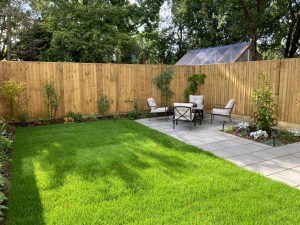
At The Southwest London Gardener, we’re passionate about sustainability. One principle we consistently follow through our natural gardening processes is upcycling and reusing materials whenever possible. Not only does this approach reduce waste and environmental impact, but it also adds character and unique charm to your garden that mass-produced items simply can’t match.
If you’re renovating your home or simply clearing out unwanted items, consider how these everyday materials might find new life in your outdoor space. Here are ten innovative ways to repurpose household items into practical and beautiful garden features.
1. Old Wooden Ladders as Vertical Plant Displays
That rickety wooden ladder gathering dust in your shed has untapped potential as a stunning vertical garden display. Whether leaned against a wall or secured in a freestanding A-frame configuration, ladders provide multiple levels for displaying potted plants without taking up precious ground space—perfect for London’s compact gardens.
For a cohesive look, sand the ladder lightly and apply a weather-resistant paint or natural oil that complements your garden colour scheme. Place larger pots on lower rungs with smaller ones above, or drape trailing plants from higher levels to create a cascading effect. Wooden ladders work particularly well for herb gardens, with different varieties arranged on separate rungs for easy access during cooking.
2. Broken Crockery for Unique Pathway Mosaics
Before tossing that chipped teacup or cracked plate into the bin, consider its potential as part of a decorative garden mosaic. Broken crockery can be transformed into stunning pathway details, stepping stones, or even full patio sections with a bit of creativity and basic materials.
To create your own mosaic, arrange broken pieces in an appealing pattern atop a concrete base, leaving small gaps between pieces. Fill these gaps with grout in a contrasting colour to make the pattern pop. For a cohesive look, stick to a limited colour palette, or embrace a riot of colour for a more bohemian feel.
This technique is particularly effective for adding personality to standard paving or creating a decorative border along existing pathways. It’s also an excellent way to preserve sentimental pieces that are no longer functional but hold memories you’re not ready to part with.
3. Vintage Cutlery as Garden Markers and Art
Those odd bits of silverware or stainless steel cutlery lurking at the back of your drawer can enjoy a second life in your garden. Forks, spoons, and knives can be flattened and stamped with plant names to create elegant herb and vegetable markers that far outlast standard plastic versions.
For larger statement pieces, arrange multiple pieces of cutlery into sculptures, wind chimes, or even small creatures. Forks make excellent miniature trellises for delicate climbers, while serving spoons can be shaped into decorative flowers or leaves.
The metal’s natural patina will develop beautifully over time, particularly with silver-plated items which develop a distinguished vintage appearance that complements cottage-style gardens. For more contemporary spaces, polished stainless steel maintains a clean, reflective quality that catches the light beautifully.
4. Old Doors and Windows as Garden Dividers and Cold Frames
Home renovations often leave perfectly serviceable doors and windows without a purpose. Rather than sending these substantial items to landfill, repurpose them as structural elements in your garden design.
Old wooden doors make excellent garden dividers or decorative backdrops for seating areas. With minimal modification, a solid wood door can become a rustic outdoor table, while panelled doors can be transformed into planting screens with small pots secured in each panel.
Glass-panelled doors and old windows are perfect for creating cold frames or small greenhouses. The glass provides necessary insulation while the frames already have the structural integrity needed. Even damaged windows with cracked panes can be repurposed by replacing the glass with chicken wire to create trellises for climbers or decorative screens.
5. Unused Guttering as Edible Wall Gardens
PVC guttering removed during home maintenance presents an excellent opportunity for creating space-efficient planters, particularly for shallow-rooted plants like lettuce, strawberries, and herbs.
Mount lengths of guttering on sunny walls or fences, ensuring a slight gradient for drainage. Drill small holes at the lowest point of each section and place a small container beneath to catch excess water, or connect the guttering to your existing drainage system.
This approach is particularly valuable in tiny London gardens where ground space is at a premium. A sunny wall fitted with three or four rows of guttering can produce an impressive quantity of salad leaves throughout summer, making productive gardening possible even in the smallest of spaces.
For a more polished appearance, paint the guttering to match your garden colour scheme or growing environment. Dark colours absorb heat, which can benefit certain crops early and late in the season.
6. Worn-Out Bath and Kitchen Fixtures as Statement Planters
That outdated sink or bathtub being replaced in your renovation can become a stunning focal point in your garden. Vintage porcelain sinks make charming planters for compact arrangements, while full-sized bathtubs create impressive container gardens that retain moisture well and provide ample root space for larger plants.
Old kitchen sinks work particularly well for herb gardens, with the drainage hole already in place. Free-standing bathtubs can become pond features with minimal modification – simply seal the drainage hole and fill with water, adding aquatic plants for a self-contained water garden.
For metal fixtures showing signs of age, embrace the patina rather than fighting it. Copper, brass, and certain alloys develop beautiful verdigris that complements garden greenery, while cast iron tubs develop a rustic appearance that suits cottage and wildlife-friendly gardens.

7. Timber Offcuts for Bug Hotels and Bird Houses
Construction projects frequently generate timber offcuts of various sizes that are perfect for creating wildlife habitats. Building bug hotels from these materials not only reduces waste but also supports the beneficial insects that keep your garden ecosystem balanced.
Bundle smaller offcuts together with varying diameters of drilled holes to accommodate different insect species. Larger pieces can be constructed into bird houses or hedgehog shelters with minimal carpentry skills.
For maximum wildlife benefit, use untreated wood and place your creations in tranquil corners of the garden with some protection from extreme weather. The natural deterioration of the wood over time actually benefits many organisms, creating additional microhabitats as the decomposition process progresses.
8. Wine Bottles and Jars as Garden Edging and Lights
Before recycling glass bottles and jars, consider their potential as decorative garden elements. Bottles can be partially buried neck-down to create striking borders around beds and pathways. The glass catches light beautifully and provides a defined edge that’s both practical and ornamental.
For evening ambiance, string solar-powered fairy lights inside large jars and hang them from trees or place them along pathways. The glass diffuses the light creating gentle illumination that doesn’t overwhelm the natural beauty of dusk in the garden.
Wine bottles in particular lend themselves to garden reuse due to their robust construction and often attractive colours. Green, blue, and amber bottles create different lighting effects and can be selected to complement your overall garden colour scheme.
9. Old Tyres as Raised Beds and Play Features
If you’re replacing car tyres, the old ones can be repurposed into surprisingly versatile garden features. Painted in bright colours, tyres make excellent raised beds for vegetables and flowers, with the rubber providing good insulation for plant roots.
Stack multiple tyres to create deeper beds, or arrange them in interesting configurations for children’s play areas. Partially buried tyres create informal seating or can be transformed into obstacle courses and climbing features when securely anchored.
For a more sophisticated appearance, cover the outside of tyre planters with rope, bamboo, or reclaimed wood slats. This disguises their industrial origins while still benefiting from their durable structure and excellent drainage properties.
10. Household Textiles as Plant Protection and Decoration
Don’t discard old curtains, bedsheets, or tablecloths when they’re past their prime indoors. These textiles have valuable second lives in the garden as plant protection, decoration, and even growing substrates.
Lightweight cotton sheets make excellent protective coverings for tender plants during unexpected cold snaps, while heavier fabrics can become winter wrappings for vulnerable shrubs and young trees.
For a decorative touch, transform sturdy curtains into outdoor cushion covers or awnings that provide shade during summer months. Even worn-out natural fibre carpets can be used beneath mulch layers as weed suppressants that eventually biodegrade, adding organic matter to your soil.

Sustainable Gardening with The Southwest London Gardener
At The Southwest London Gardener, our commitment to sustainability guides everything we do. We believe that creating beautiful gardens shouldn’t come at the environment’s expense, which is why we consistently look for opportunities to reuse, repurpose, and recycle materials in our projects.
When we work on garden transformations across South West London, we actively identify existing materials that can be incorporated into new designs. This approach not only reduces waste but often creates meaningful connections between the garden’s past and future incarnations.
If you’re planning a garden project, we invite you to look around your home with fresh eyes. Those “useless” items heading for disposal might just be the unique elements that make your garden truly special.
For guidance on creating sustainable, beautiful gardens using reclaimed materials, contact our team at 07966 554841 or email enquire@thesouthwestlondongardener.co.uk. We’d love to help you discover the hidden potential in everyday objects while creating an outdoor space that treads lightly on the planet.