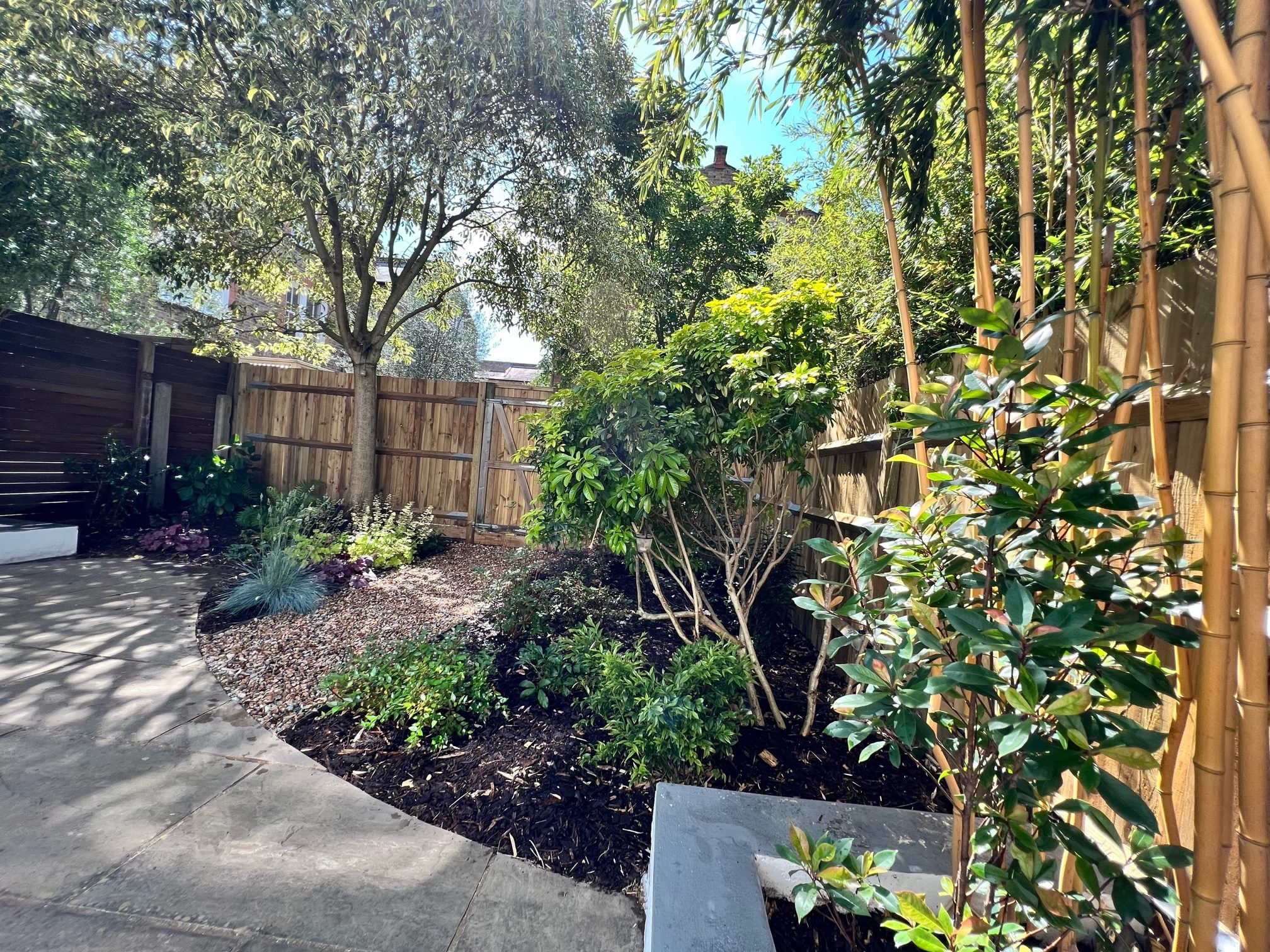
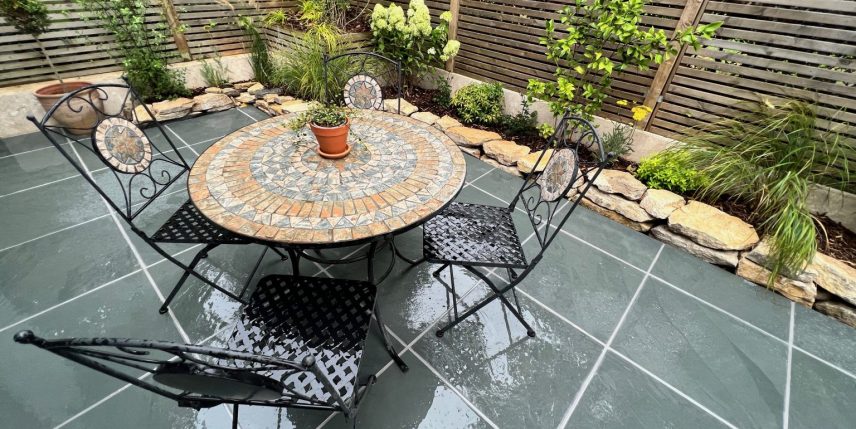
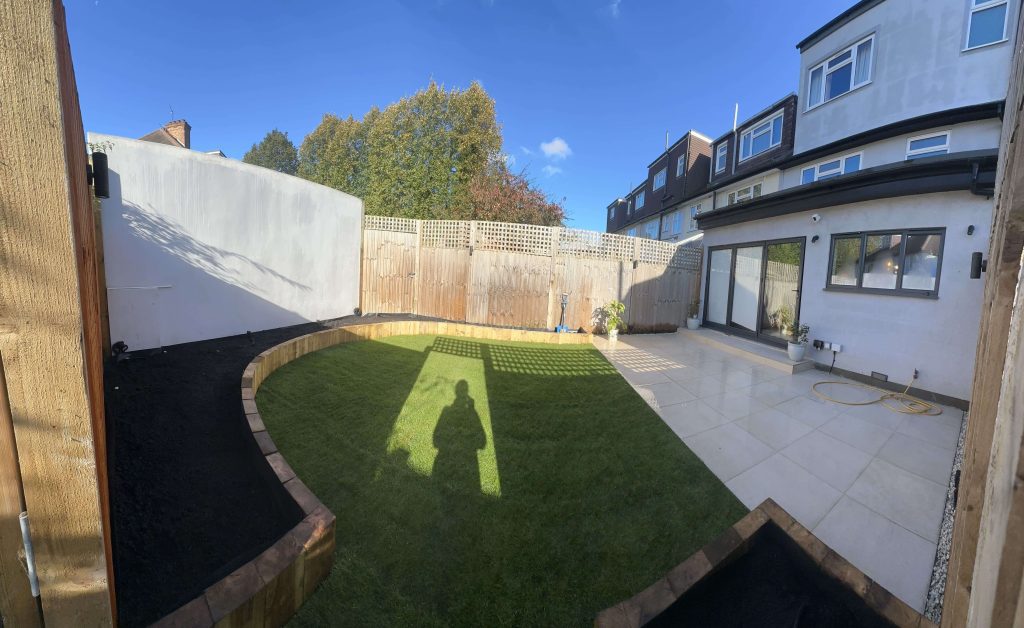
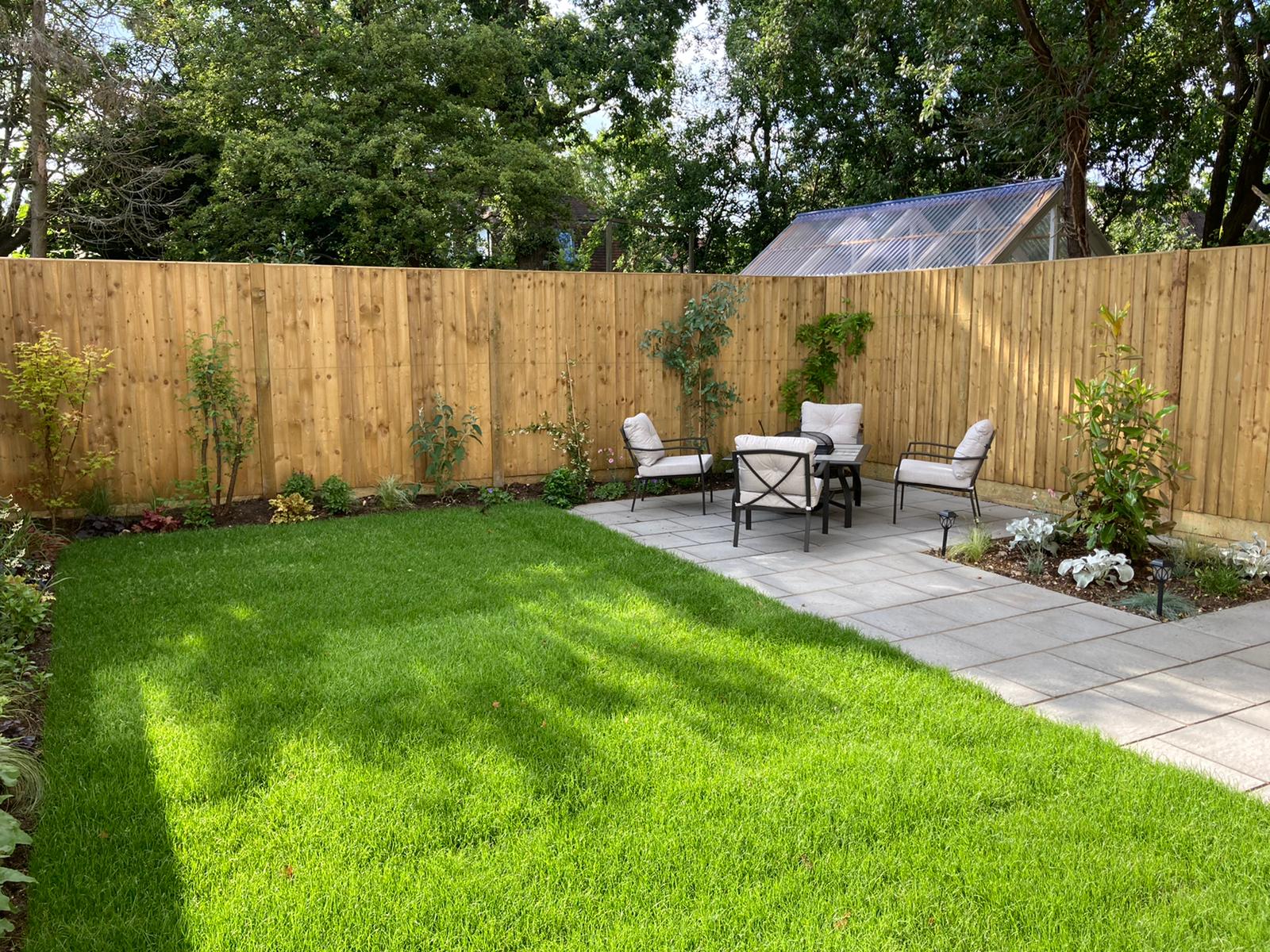
You got the keys. The kitchen’s half unpacked, the broadband works, and at some point this week you stood at the back door and felt your heart sink.
Maybe the garden is neglected. Knee-high weeds, a patio drowning in moss, something thorny and unidentifiable climbing the fence. Or maybe it’s not neglected at all. Maybe the previous owners clearly loved it, but their taste and yours exist on different planets. Concrete everywhere. A bizarre rockery. Fussy little borders crammed with plants you’d never choose. A layout that makes zero sense for how your family actually lives.
Either way, you’re standing there thinking: this is not my garden.
Good. That’s the right starting point. Because a new house is one of the few moments in life where you get genuine permission to rethink an entire outdoor space from scratch. Not just tidy it up, not just make it “presentable.” Actually sit down and ask yourself what you want from this garden, and then go build it.
We see this all the time across Southwest London. New homeowners in Wandsworth, Twickenham, and Teddington staring at a garden that’s either been abandoned or designed by someone with very different ideas about what a garden should be. The temptation is always the same: fix the most obvious problems, learn to live with the rest, and tell yourself you’ll get around to it properly one day. Most people never do.
The better approach? Treat the move as a genuine fresh start. Understand the space first. Figure out what works and what doesn’t. Then shape it around the way you actually want to live, rather than inheriting someone else’s choices by default.
This guide walks you through that process, in the right order, so you don’t waste money solving the wrong problems or ripping out things worth keeping.
What Should You Do First with a New Garden You’re Not Happy With?
Slow down. That’s it. That’s the whole secret to the first few weeks.
Your instincts will pull you toward action. Rip out the ugly decking. Dig up the borders. Order a skip. And all of that might be the right call eventually, but doing it before you understand the garden means you’re making decisions blind. The decking might be covering terrible drainage that needs addressing first. The borders you hate might contain mature plants worth thousands if you had to replace them. The layout you’d scrap might actually work once the planting changes.
Spend time outside at different hours. Morning coffee by the back door. A wander around at lunchtime. A glass of something after work while the sun’s still up. You’re looking for things you can’t learn from a single glance: where does the light hit and when? Where does water sit after a storm? Which walls catch the evening sun? Where do the neighbours overlook, and where do they not?
This isn’t procrastination. Every decent garden designer starts with exactly this process. You’re building a picture of the space that’ll inform every decision you make over the coming months, and it costs nothing but a few weeks of paying attention with your morning tea.
One thing that shouldn’t wait: anything dangerous. A wobbly paving slab, broken glass in the borders, a rotten structure that could collapse. Fix those immediately. Everything else can sit until you’ve got a proper read on the space.

How to Assess Your Garden Before Making Any Changes
Before you redesign a single thing, you need to understand what the garden is already giving you. Two things matter more than everything else at this stage.
How to Track Sun and Shade Patterns in Your Garden
Go outside on a reasonable day and note which parts of the garden catch direct sun at 9am, midday, and late afternoon. Then do it again a fortnight later. A spot that seems bright in April might sit in permanent shade by June once the neighbour’s tree fills out its canopy.
Why does this matter so much? Because sunlight dictates almost everything. A south-facing border soaking up six hours of direct light will support a completely different range of plants compared to a shady north wall. And sunlight doesn’t just affect planting. It tells you where to put a seating area (chase the evening sun), where a play zone makes sense (not the scorching south-facing patio at 2pm in August), and which parts of the garden will always feel cooler and more sheltered.
You’re not just cataloguing light here. You’re finding the bones of your future design.
Testing Your Garden’s Soil Quality and Drainage
Pick up a basic soil testing kit from any garden centre and check the pH. Squeeze a handful while you’re at it. If it holds its shape and feels sticky, you’re looking at clay. Falls apart? Sandy. London gardens are notorious for heavy clay, which is workable but changes how you approach both planting and any hard landscaping.
Quick drainage test: dig a hole about 30cm deep, fill it with water, and time how quickly it disappears. If it’s still sitting there an hour later, you’ve got a waterlogging problem. Better to discover that now than after you’ve planted a hundred pounds’ worth of lavender that rots within a season.
How to Clear Out a Garden That’s Overgrown or Neglected
If the previous owners let the garden go (rather than just designing it badly), you’ll need to deal with the overgrowth before any redesign can happen. Think of this as revealing the canvas, not the final picture.
Dealing with Overgrowth, Garden Waste, and Invasive Weeds
Start with the junk layer. Broken pots, old furniture, mystery bin bags, piles of rubble. Get a skip or book a green waste collection and strip it away. Gardens immediately feel twice the size once the clutter vanishes, and the underlying structure of the space starts to emerge.
For an overgrown lawn, resist the urge to mow it flat in one go. Set the mower high, take off the top third, and come back a week later for another pass. Three rounds of this and you’ll be shocked at how much healthy grass was hiding underneath.
Don’t burn anything. London boroughs take a dim view of garden bonfires, and your new neighbours will remember it for a very long time.
Garden Safety Hazards to Fix Before Anything Else
Walk the entire garden before touching a single plant. Loose paving slabs, hidden drops, ponds concealed under duckweed, exposed nails in rotten fence panels, structures that move when you lean on them. If you have young children, this is genuinely urgent. Fix it now. The redesign can wait a month. A trip to A&E cannot.
How to Identify Which Existing Plants Are Worth Keeping
Here’s where the “rip it all out” impulse gets expensive. Even gardens you don’t like often contain plants worth building a new scheme around.
Why Waiting a Full Season Saves You Money
Do not remove anything for at least one full growing season unless it’s confirmed dead or a known problem species. A garden in January and the same garden in June look like two different places. Perennials vanish for months then reappear. Bulbs you didn’t know existed push through in March. That bare woody stump in the corner might be a hydrangea about to produce spectacular flowers.
We’ve watched clients rip out mature climbing roses, established wisteria, even a beautiful old magnolia. All because they looked like firewood in winter. Mature plants provide height, structure, and a sense of permanence that new planting takes years to achieve. Even if you redesign the entire garden around them, keeping two or three established specimens gives the new scheme a head start money can’t buy.
Best Plant Identification Apps for Your Garden
PlantNet, PictureThis, and Google Lens all handle common UK garden plants reasonably well from a phone photo. For anything unusual or potentially valuable, send a picture to a local gardener. We’re always happy to take a look and tell you whether something’s a keeper or needs to go. Thirty seconds of our time could save you from removing something irreplaceable.
How to Set Design Goals for Your New Garden
This is where it gets exciting, and where a new house really becomes an advantage. You’re not obligated to keep the old layout. You can design the garden around your life, not around someone else’s decisions.
Start with Your Lawn and Borders for Quick Visual Impact
The lawn and borders frame everything in the garden. They’re the first thing your eye takes in. Get the grass looking healthy, cut a clean edge, clear the borders, and spread a layer of mulch. That single weekend of effort takes the garden from “problem” to “potential.” It also reveals the space’s natural proportions, which is the skeleton of any good design.
You don’t need to replant the borders yet. Just making them visible and tidy changes the entire feel, and gives you a much better sense of what shapes and spaces you’re actually working with.
How to Plan Your Garden Layout in Zones
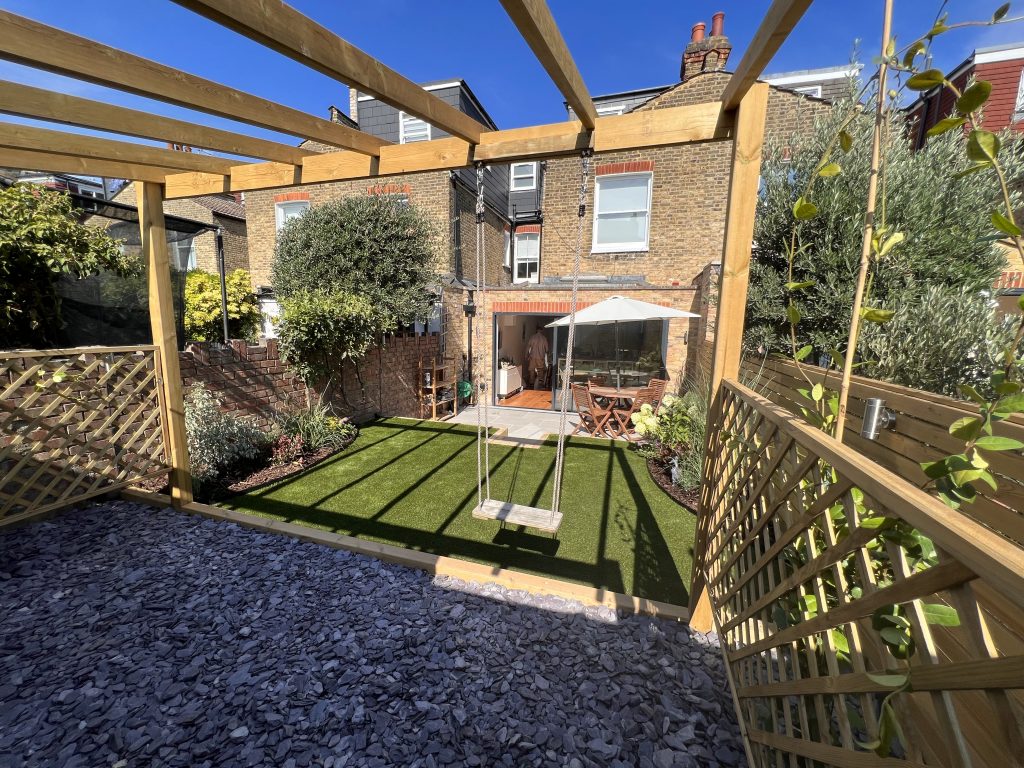
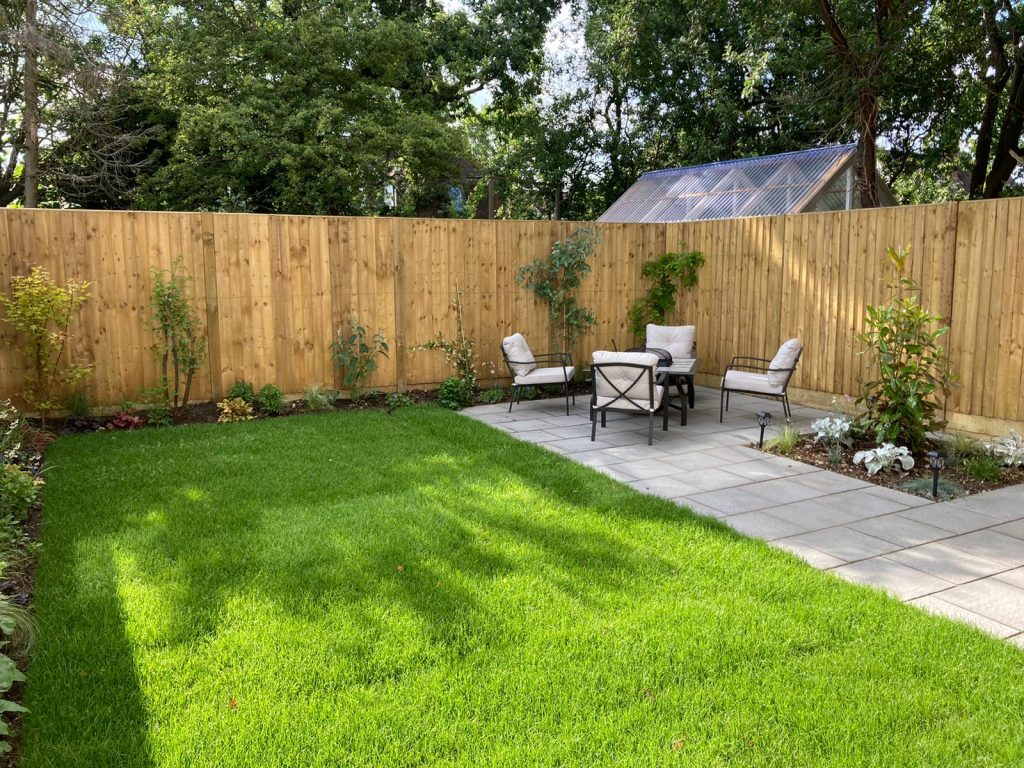
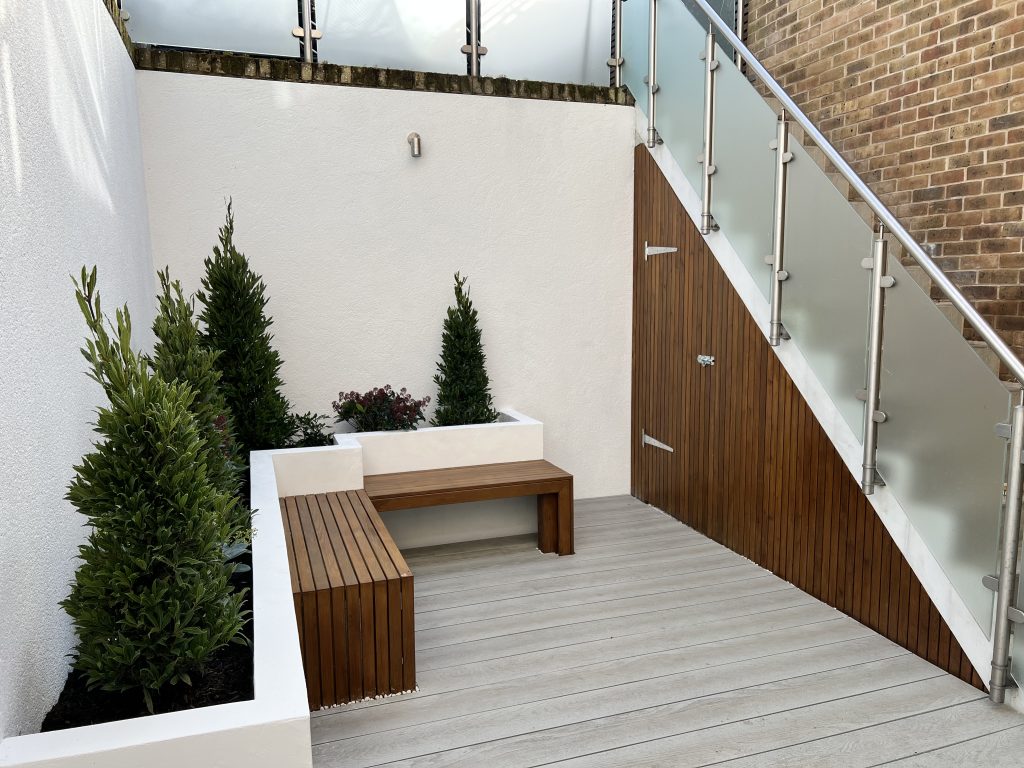
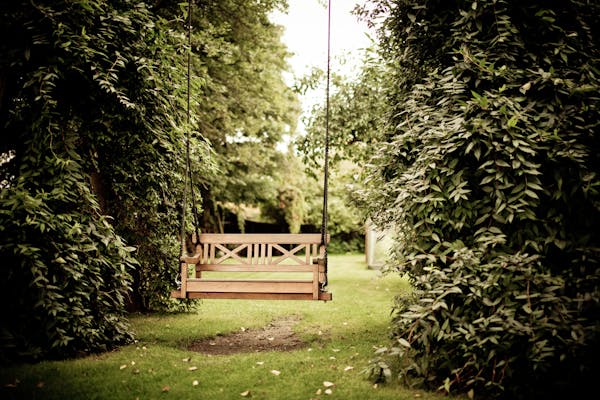
Think about how your family genuinely uses outdoor space. A seating area near the house for weekend mornings. A play zone visible from the kitchen window. A productive patch for raised beds and herbs. A quiet corner at the back with a bench and some naturalistic planting for the days you just want to sit.
Zoning turns a vague wish list into a spatial framework. You don’t have to build every zone at once (in fact, doing it gradually works better because your ideas will evolve as you spend time outside). The plan just means each project feeds into the next one, rather than each weekend’s work pulling the garden in a random direction.
Quick Garden Fixes That Make an Immediate Difference
You don’t need to wait for a grand plan to make the garden feel liveable. A few small, cheap moves buy you time and lift your spirits while the bigger design takes shape.
Containers planted with seasonal colour transform the view from the back door overnight. Lavender by the step, trailing geraniums on a wall, a window box of herbs outside the kitchen. They cost very little, move easily when the permanent planting arrives, and let you experiment with colour palettes without any commitment. Think of them as furniture for a room you haven’t decorated yet.
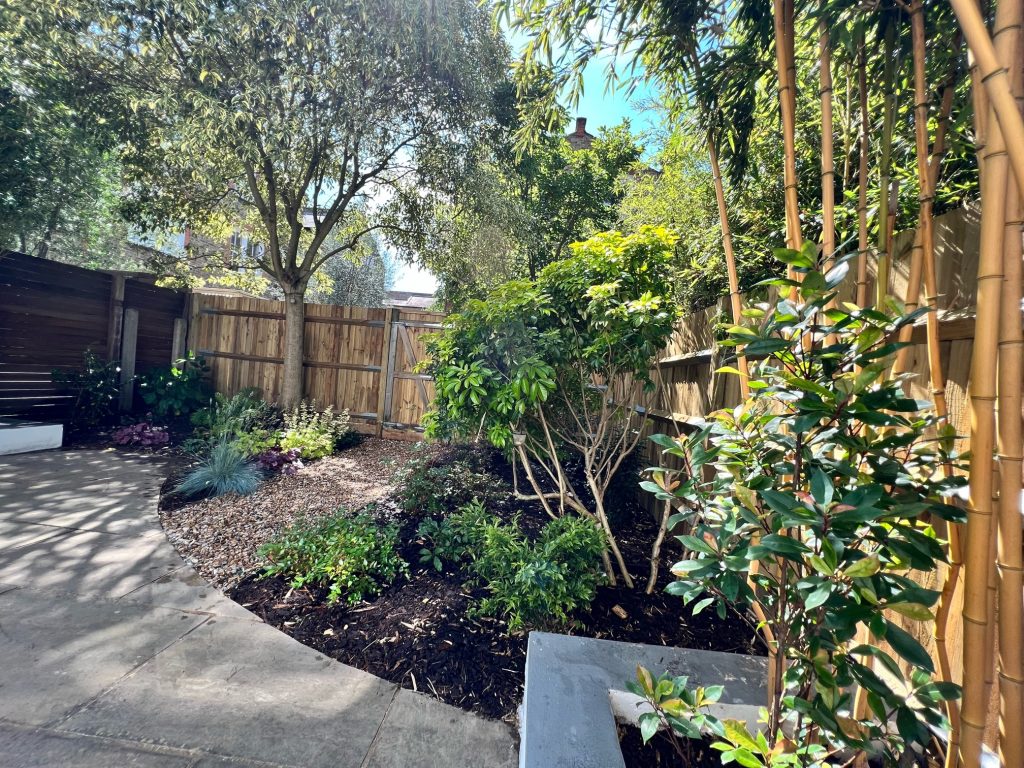
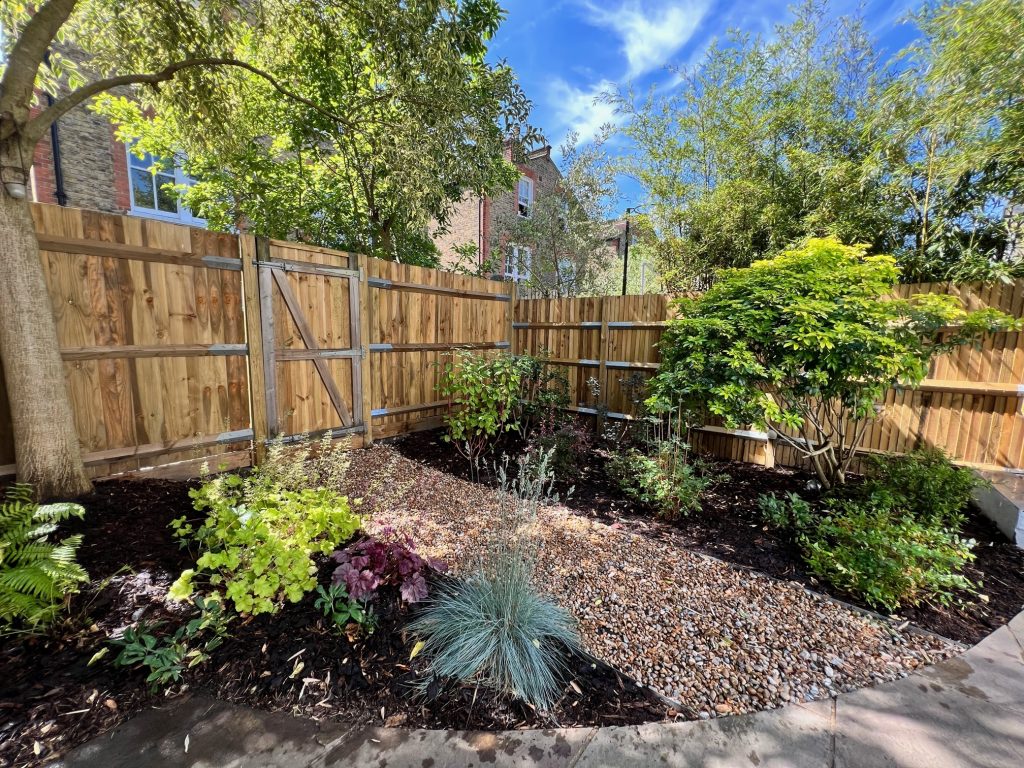
Bare soil in the borders is an open invitation for weeds. A thick layer of bark mulch smothers new growth, holds moisture through dry spells, and makes even empty beds look deliberate rather than forgotten. A few pounds per bag, spread 5cm deep. The return on effort is extraordinary.
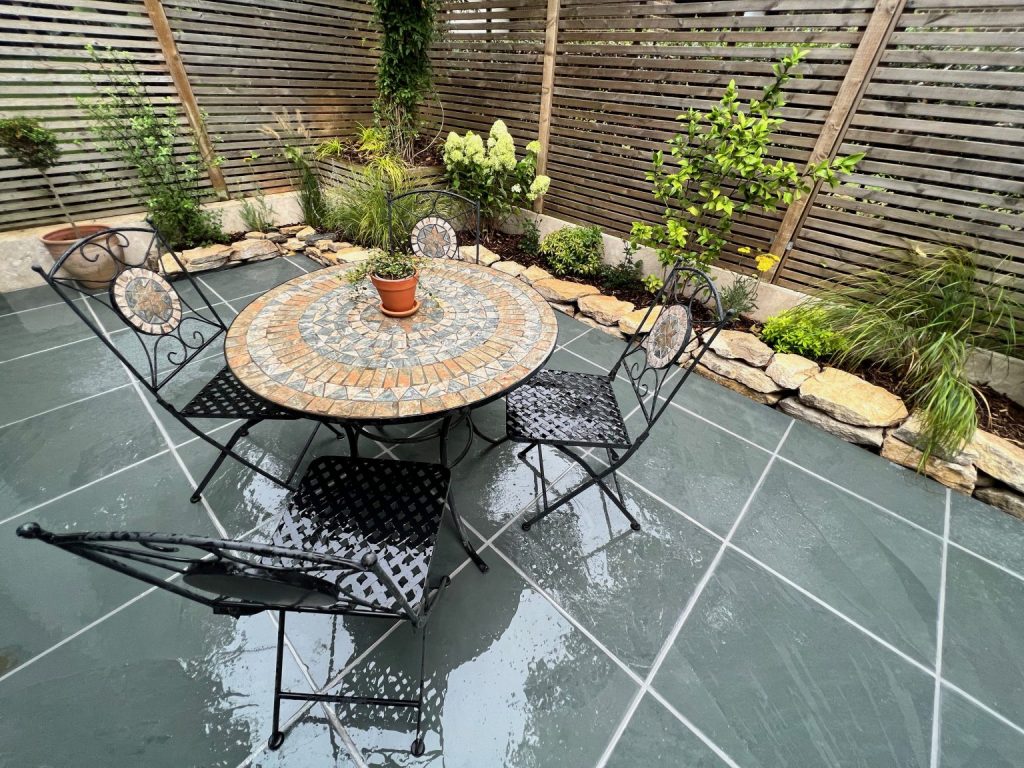
And never underestimate what a tin of dark fence paint can do. Charcoal, deep green, navy. Dark fences recede visually and make a small garden feel bigger, while pushing the eye toward the planting instead of the boundaries. Combine that with a hired pressure washer on the patio (the transformation is almost comically dramatic once the grime lifts) and you’ve got a garden that feels genuinely different after two weekends. Zero design experience required.
How to Create a Long-Term Garden Landscaping Plan
The quick wins buy you breathing room. The long-term plan is where the garden stops being someone else’s space and starts becoming yours.
Finding Garden Design Inspiration in Your Local Area
Walk your streets before you open Pinterest. Gardens in your neighbourhood share your soil, your light, and your microclimate. What thrives three roads away will very likely thrive in your garden too. Local parks are brilliant for spotting planting combinations that actually work in your part of London, and pay attention to what looks good in October, not just June. Year-round interest is what separates a truly considered garden from one that peaks for three weeks and then looks tired for the other eleven months.
When to Hire a Professional Gardener or Landscaper
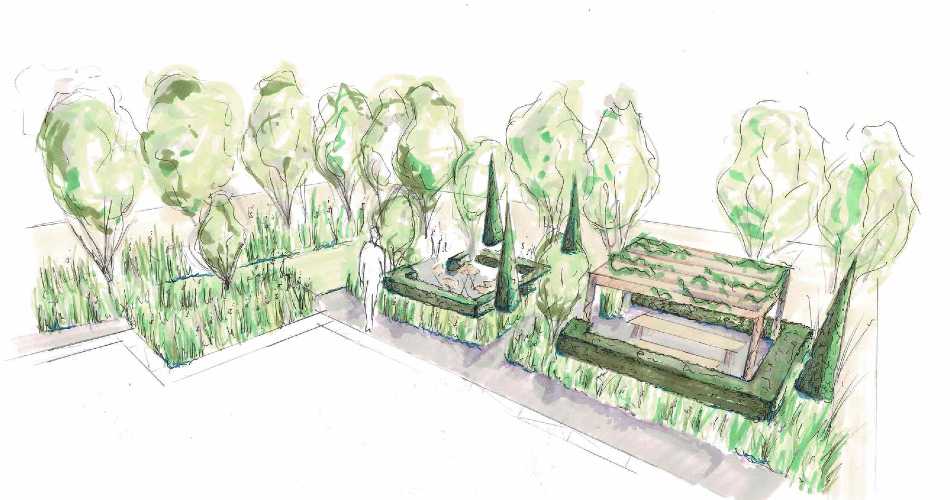
If you’re just refreshing the planting and tidying things up, you can handle most of it yourself with time and enthusiasm. The moment structural work enters the picture (new paving, retaining walls, drainage, level changes) is the moment to bring in professionals. A proper garden design means the build team knows exactly what’s happening before a single slab goes down, and it prevents the kind of expensive mid-project changes that blow budgets apart. Getting a plan drawn up isn’t an indulgence. It’s the thing that keeps the whole project under control.
How The Southwest London Gardener Can Help
We’ve been redesigning and transforming gardens across Wandsworth, Twickenham, Teddington, Kingston, and Richmond for years. Every project starts with a conversation. We walk the garden with you, listen to what you want from the space, and give an honest assessment of what’s realistic for your budget.
Some gardens need a complete garden makeover designed from scratch. Others benefit from a soft landscaping refresh that keeps the best of what’s there and replaces the rest. Plenty of our clients start with regular maintenance to keep things in order while the bigger vision takes shape. We handle everything in-house. The people who design your garden are the people who build it, and that continuity matters more than most homeowners realise until they’ve experienced the alternative.
That first conversation costs you nothing. Get in touch, send over a few photos, and we’ll take it from there.