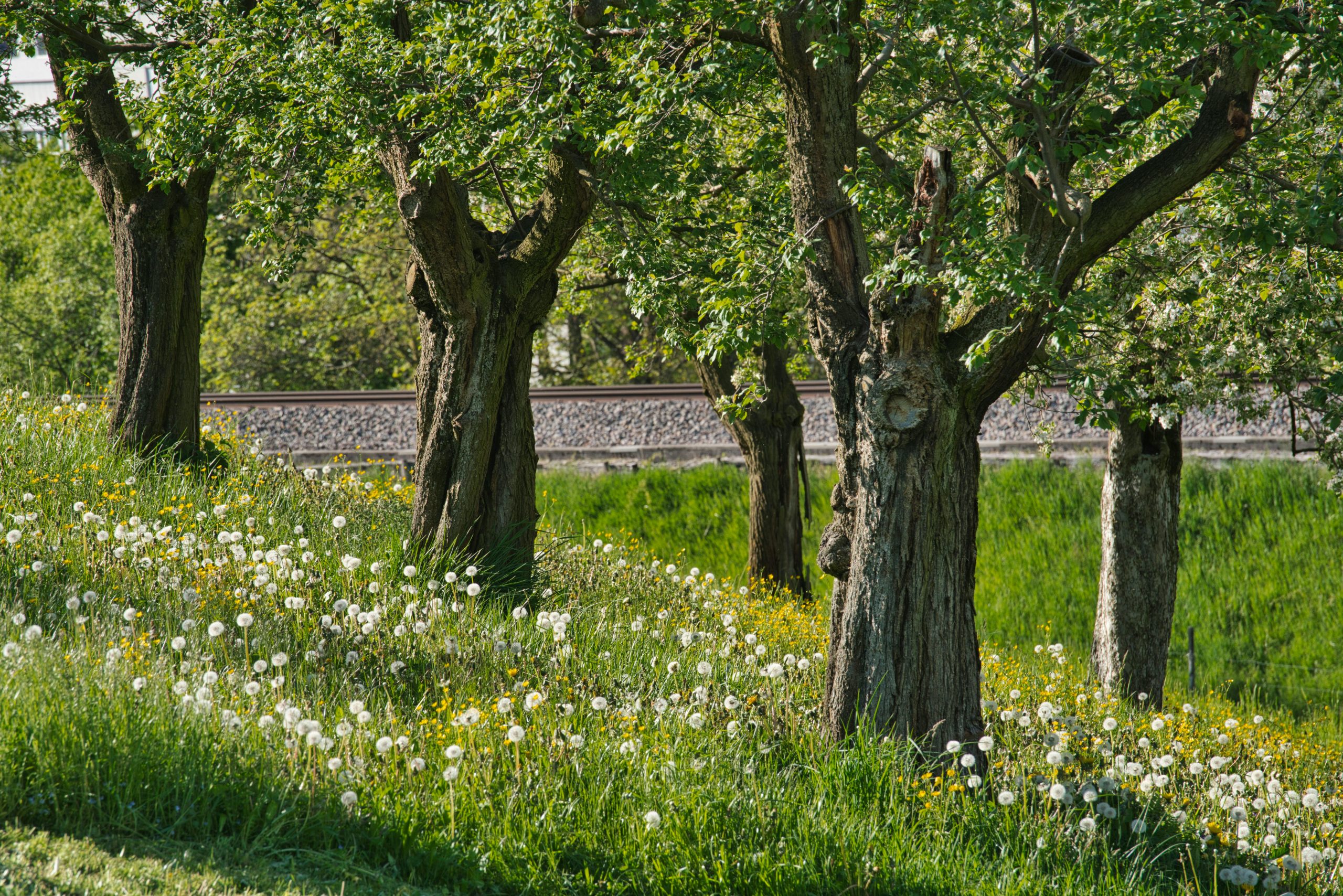
A garden on a slope can be tricky. It’s rarely flat enough to use as a single space, mowing can be a headache, and water always seems to end up where you don’t want it. But a slope also gives you something a flat garden never can, which is the opportunity to create depth, varied views, and separate “zones” that feel like their own destinations.
The difference between a slope you struggle with and a slope you love comes down to design. That means thinking about structure, planting, access, and how the whole thing works together as one space. Over the years, we’ve transformed plenty of awkward spaces in Wandsworth, Richmond, Twickenham and beyond, including some that are on a slope, and we’ve seen exactly what works.
Here are the seven most effective things to use in a sloping garden – a mix of hard and soft landscaping that turns a tricky plot into something practical, stable, and beautiful.
1. Terracing for Structure and Access
Terracing is one of the most effective ways to make a slope usable. By dividing the gradient into a series of flat, stable platforms, you get level areas for different uses, whether that’s planting, seating, dining, or play space.
The best terraces feel integrated with the land rather than imposed on it. Using materials that sit well in the setting, such as natural stone, rendered brick, or quality timber, helps them look like they belong. Where possible, we reuse materials already on site. Old sleepers, bricks, or paving stones can be repurposed for new walls or steps, giving the terraces an instant sense of maturity and character.
One high terrace can feel imposing, so in most cases it’s better to use two or three lower ones. This also makes the slope easier to navigate and reduces the strain on retaining walls. Always include proper drainage behind each terrace because, without it, water pressure can cause structural damage over time.
2. Steps that Feel Like Part of the Garden
On a slope, steps aren’t optional; they’re essential. But they should feel like part of the garden design, not an afterthought. Well-built steps make a slope safer and more inviting, and they can even become a feature in themselves.
Wider, shallower treads are easier to walk on and less tiring. The material you choose should complement the rest of the garden. Stone works beautifully in traditional or naturalistic designs, while brick gives a classic, timeless look. Reclaimed timber sleepers are great for a softer, more informal feel, and if you already have old sleepers in reasonable condition, they can often be reused with a bit of cleaning and cutting.
Steps are also an opportunity for planting. Low-growing herbs like thyme, chamomile, or creeping rosemary can edge the treads, softening the hard lines and adding fragrance as you walk. For evening use, subtle lighting built into the risers or set into the sides keeps the path visible without flooding the space with harsh light.
3. Retaining Walls that Double as Seating
Retaining walls are often unavoidable in sloping gardens, especially when you’re holding back soil between terraces. But they can do more than just act as a barrier. With the right height and finish, they can double as informal seating.
A wall around 45–50cm high is perfect for perching, making it ideal for areas where people gather, such as around a fire pit or near a dining terrace. Adding a smooth coping stone or timber top makes it comfortable to sit on and protects the wall from weathering.
The style of the wall should suit the garden. Natural stone works well in softer, more traditional spaces, while a rendered finish gives a clean, modern look. Reclaimed brick can add instant age and character. Planting above and below, especially with trailing varieties, helps the wall feel connected to the garden rather than a stark dividing line.
4. Planting for Soil Stability
Even the best hard landscaping needs the support of good planting to keep a slope in check. Without plants, heavy rain can quickly strip away topsoil, leaving bare patches and weakening the ground.
The solution is to use plants that act as natural anchors. Ground covers like creeping thyme spread quickly to form a dense mat that locks soil in place. For deeper stability, shrubs such as hebes or cotoneaster have strong root systems that hold the slope together year-round.
Ornamental grasses are another excellent choice. Not only do their roots bind the soil, but their movement in the wind adds texture and interest. Whenever possible, we work with plants already thriving on site. They’re already adapted to the conditions and can often be relocated into areas where they’ll do the most good. Planting densely is key. It covers bare soil quickly and reduces the chance of weeds taking over.

5. Water Management Features
Water is one of the biggest challenges in a sloping garden. Without intervention, rain rushes downhill, washing away nutrients from the top and dumping excess water at the bottom.
The aim is to slow it down and guide it. French drains, swales, and discreet channels behind retaining walls can direct water away from problem areas. Permeable surfaces, such as gravel, porous paving, or even stone, allow water to soak into the ground instead of running off.
In planting areas, shaping beds to follow the contours of the slope helps capture and hold water where it’s needed. A rain garden at the base can collect runoff and put it to good use, supporting moisture-loving plants.
6. Paths that Follow the Natural Contours
A direct path down a slope is usually too steep and can encourage erosion. Instead, follow the natural contours of the land, creating a gentler gradient with a meandering route.
Paths like this are easier to walk, especially in wet weather, and they also make the journey through the garden more interesting. Each turn can reveal a different view or planting area. Gravel, bark, or stone all work, depending on the garden style. If you have leftover paving or brick, reusing it for the path gives continuity and cuts down on waste.
Defining the path edges helps keep the material in place and stops it spilling into planting areas. Low plants along the sides, especially scented ones, make the route more engaging and help tie it visually into the rest of the garden.
7. Multi-Level Planting Beds
A slope is a natural stage for layered planting. Multi-level beds, whether built into terraces or simply formed into the gradient, make it easier to tend plants and create a sense of depth in the garden.
Place taller plants or small trees at the highest points and step down to shrubs, perennials, and ground covers. This arrangement draws the eye through the space and gives a more complete picture from any viewing point.
Raised beds work particularly well on slopes. If you have usable materials already on site, this is one of the best places to repurpose them. Beds at different heights also allow for varied growing conditions. Dry-loving plants can go at the top, while plants that like more moisture can take the lower spots where water naturally collects.
Bringing It All Together
The best sloping gardens use a mix of structure and planting to make the gradient work for them. Hard landscaping creates safe access, defines spaces, and holds the ground in place. Planting keeps the soil healthy, softens edges, and brings life to the design.
Reusing materials where it makes sense isn’t just an eco-friendly extra. It helps the finished garden feel like it belongs to its setting. With the right combination of features, a slope stops being a problem and becomes one of the most distinctive parts of your garden.
If your sloping garden needs a rethink, The Southwest London Gardener can help design and use natural gardening to work with the land you have. Call 07966 554841 or email enquire@thesouthwestlondongardener.co.uk to arrange a consultation.
Leave a Reply