
Working out whether a garden needs a full overhaul or just a bit of attention is one of the hardest calls a homeowner has to make, partly because the language used to describe those two options has become almost meaningless online. One landscaper’s refresh is another’s makeover, and articles about both tend to blur together until the reader has no clearer idea than when they started. That matters, because the two jobs sit at completely different ends of the budget, the timeline and the level of disruption involved.
The purpose of this guide is to cut through that confusion with plain definitions and to give homeowners a practical way of working out which option suits their garden, their budget and the life they actually lead.
What is a garden makeover?
A garden makeover is the process of redesigning and improving an outdoor garden space to enhance appearance, function, and value. It includes tasks such as planting new vegetation, updating layouts, installing features, and repairing structures to create a more attractive and usable environment.
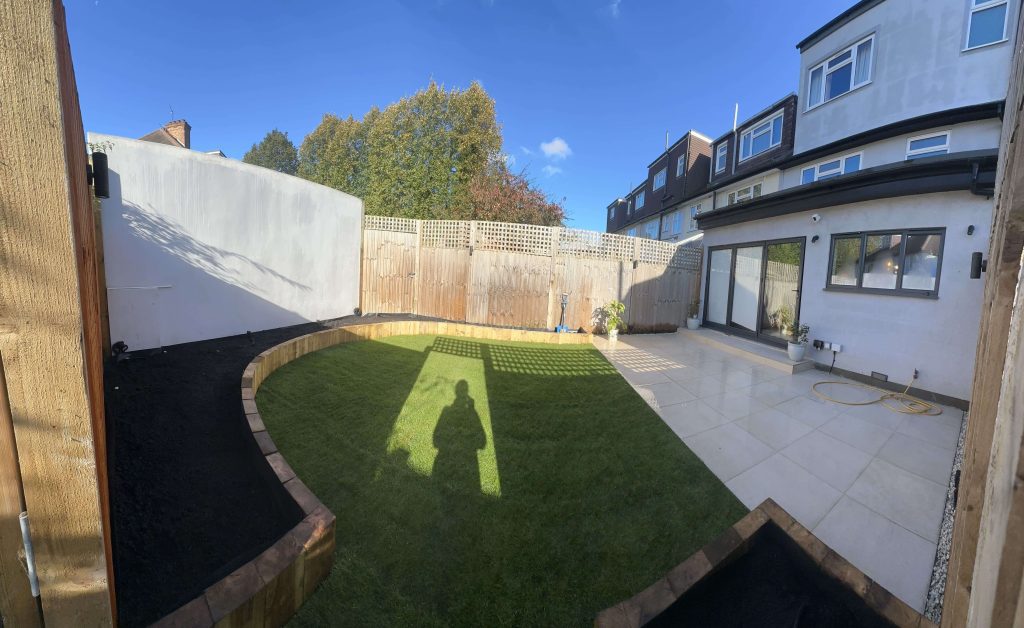
To put it in other words, a garden makeover changes the structure of the garden rather than just its appearance. The layout gets reworked, hard landscaping is removed and replaced, and the space that exists at the end of the project looks fundamentally different from the space that existed at the start. Makeovers typically involve levelling work, new paving, fresh fencing, reshaped borders and new planting schemes, often alongside features such as pergolas, garden rooms, lighting or irrigation systems.
What is a garden refresh?
A garden refresh is the process of updating an existing garden with minor improvements to enhance appearance and health without a full redesign (or makeover). It includes tasks such as pruning plants, adding mulch, replacing flowers, and cleaning features to restore a neat and vibrant look.
A garden refresh updates the look and feel of a space without changing its underlying structure, meaning the layout, the patio and the boundaries all stay exactly as they are. The work focuses on presentation instead, covering things like replanting, pressure washing, repainting fences, adding new pots, trimming back overgrown shrubs and improving the quality of the lawn.
A useful mental test for anyone stuck between the two options is to stand at the back door and look honestly at the garden. If everything visible looks lovely after a thorough tidy, some replanting and a bit of maintenance, the job is a refresh. If the problem is the garden itself, meaning the layout, the levels or the state of the hard landscaping, no amount of tidying will fix it, and the job is a makeover.
Garden Makeovers Explained
A full makeover has more in common with a kitchen renovation than with a typical day of gardening. It needs a design, a realistic budget, a reliable contractor and a stretch of time during which the garden is effectively a building site.
Structural Changes
Structural work is what distinguishes a makeover from any lighter-touch service. It covers anything that alters the physical shape or underlying fabric of the garden, including levelling sloping ground, installing or upgrading drainage, lifting and replacing old paving, building retaining walls or raised beds, replacing boundary fencing and rebuilding pathways.
Common Garden Makeover Projects
A typical Southwest London garden overhaul might combine several elements into one coordinated build. New porcelain or natural stone paving tends to form the backbone of the design, often paired with pergolas or covered seating areas that extend the usable season. Fresh turf or a well-installed artificial lawn commonly replaces tired, patchy grass, and raised beds allow for proper planting on awkward sites. Lighting and irrigation are threaded through the project from the start, saving retrofit costs later, and the planting scheme is usually designed from scratch to suit the new layout.
Benefits of Garden Makeovers
The case for a makeover is that it solves problems that nothing else will touch. Gardens that flood every winter, gardens where the levels make half the space unusable, gardens with cracked or sinking patios, and gardens whose layout simply does not suit the household living there all fall into this category. A properly executed makeover also tends to add significant value to a home and changes how a family uses the space on a daily basis.
When to Choose a Garden Makeover
A makeover is the right answer whenever the layout itself is the source of frustration. Classic signs include drainage that never behaves, a garden that the family actively avoids, levels that fight rather than support the natural flow of the space, and hard landscaping that has reached the end of its usable life. Anyone asking how to fix their garden rather than how to tidy it is almost certainly in makeover territory.
Garden Refresh Explained
A refresh is a very different proposition: faster, cheaper, far less disruptive, and surprisingly effective where the starting point is a garden that has good bones but has simply been neglected for a while.
Cosmetic Updates
The work stays almost entirely above ground and focuses on presentation rather than reconstruction, which means no skips being delivered and no machinery arriving at the property. Most refreshes also need no formal design phase, because the existing layout is being kept rather than redrawn.
Common Garden Refresh Tasks
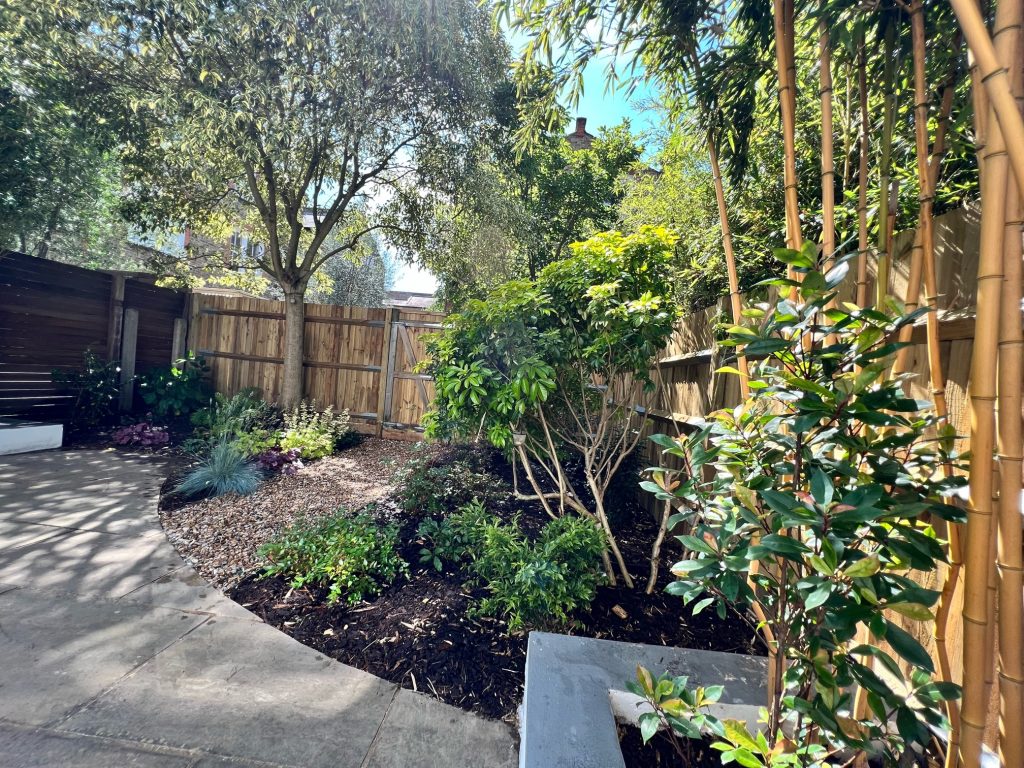
A typical refresh pulls together a combination of smaller jobs that make a large cumulative difference. Pressure washing and re-sanding an existing patio restores it to something close to its original condition, while a fresh coat of paint or stain on fences and sheds lifts the whole perimeter of the garden at the same time. Tired borders get replanted with new perennials and structural shrubs, and carefully chosen groups of large pots around the main seating area soften hard edges where they are most visible. Overgrown shrubs get cut back, mulch gets topped up, grubby furniture gets replaced, and some outdoor lighting is usually threaded in along the way.
Benefits of Garden Refreshes
The appeal of a refresh comes down to speed, cost and the fact that ordinary life continues around it. A garden can move from scruffy to smart inside a working week rather than a working season. Refreshes work particularly well for rental properties, gardens being prepared ahead of a house sale, and spaces that were properly designed a few years back and have simply drifted out of shape with time.
When to Choose a Garden Refresh
A refresh is the right answer whenever the layout works, but the garden has stopped looking the way it should. Walking into a garden and thinking that it used to look lovely points firmly towards this option, as does moving into a house where the previous owner invested in the bones of the garden but the planting has since gone wild.
Garden Makeover vs Refresh: Key Differences
Scope
The scope of a makeover extends to the underlying structure of the garden, including the layout, the hard landscaping and often the drainage and levels. The scope of a refresh is limited to what already exists, with the work focused on improving presentation rather than altering the space itself.
Time
Refresh projects typically complete within a handful of days, and simpler ones can be done within a long weekend. Makeover projects run for weeks at a minimum and often stretch across several months once the design phase, material lead times, sequencing of trades and inevitable weather delays are factored in.
Cost
Refresh budgets in Southwest London generally run from a few hundred pounds for a modest tidy-up through to a couple of thousand for more thorough work. Makeover budgets start somewhere around five thousand pounds for a small garden with modest ambitions and climb into the tens of thousands for a full rear-garden rebuild incorporating quality paving, structures, lighting and mature planting.
Impact
A refresh improves what already exists. A makeover replaces what exists with something else. A refreshed garden is the same garden, wearing a better outfit, whereas a made-over garden is a new garden altogether, often functioning in ways the previous version never could.
How to Decide Between a Garden Makeover and a Refresh
For most homeowners, the decision comes down to three considerations: the budget available, the time that can be given to the project, and the honest condition of the garden as it stands today.
Budget
Budgets below about three thousand pounds almost always point towards a refresh, because trying to stretch that amount across a genuine makeover results in corners being cut in the places where corners matter most. Budgets from ten thousand upwards open up real makeover options. Budgets in between often benefit most from a hybrid approach, focusing a makeover on one priority area while refreshing the rest of the garden around it.
Timeframe
Tight deadlines steer the decision firmly towards a refresh. Anyone planning for an event six weeks away should rule out a makeover entirely, because the design phase alone often takes that long and good landscapers are booked months in advance. Longer planning horizons open the door to more ambitious work.
Garden Condition
An honest walk around the garden usually settles the question faster than anything else. Cracked or sinking paving, water pooling after heavy rain and a layout that consistently frustrates daily use all point towards structural solutions. Property type also plays a role: Victorian terraces across Balham, Earlsfield and Southfields tend to come with structural challenges, including narrow side returns and heavy London clay soil, whereas newer builds in parts of Teddington and Hampton often have sounder underlying structure and benefit more from planting than from rebuilding.
How to Choose the Right Process for You
A few more personal questions tend to sharpen the decision for anyone still caught between the two options.
The first is how the garden actually makes the homeowner feel. There is a meaningful difference between a garden that causes frustration and a garden that causes disappointment. Frustration comes from structural problems, things that do not work, flow or fit. Disappointment is usually cosmetic, a sense that the garden looked better once and no longer does.
Frustration points towards a makeover. Disappointment points towards a refresh.
The second is what a homeowner would change if money were no object. If the honest answer involves replanting borders, cleaning the patio and tidying up, a refresh is already written into the answer. If the answer involves moving the patio, taking down the shed or reworking the levels, the project being described is a makeover, whether that word has come up yet or not.
Length of time in the property matters too. A household planning to stay put for another decade will recoup the cost of a proper makeover in enjoyment alone, whereas a household likely to move within a year or two is almost always better served by a refresh, because the presentation benefits translate directly into sale photographs without the cost and disruption of a full rebuild. Previous attempts at sorting the garden out also provide a strong signal, as a homeowner who has already tried refreshing things once or twice without the improvements lasting is often dealing with a garden that needs structural work rather than cosmetic attention.
Garden Refresh Tips
Spreading a refresh budget thinly across every corner of the garden almost always produces a weaker result than concentrating the spend where it shows most. The main view from the kitchen window and the principal seating area deserve the bulk of the investment, because those are the places where the garden gets looked at every day. Choosing fewer, larger, more mature plants rather than filling borders with small specimens delivers far more immediate impact for roughly the same outlay, and cleaning the garden thoroughly before adding anything decorative makes everything that follows look better.
Garden Makeover Tips
Investing in proper design work before any physical construction starts is the single most important decision on a makeover project, because designed plans get costed accurately and mistakes happen on paper rather than in the ground. Building realistic contingency into the timeline matters just as much, since weather delays and material lead times will almost always stretch the original schedule. Choosing a landscaper demands genuine care: recent local references, registered waste carrier status, proper insurance and clear written quotes all signal a contractor worth working with. Thinking about maintenance from the design stage rather than as an afterthought prevents the all-too-common situation where a beautiful finished garden becomes a burden.
General Advice
Designing a garden for the life a household actually leads rather than the life it imagines leading produces far better results than any amount of clever detailing. A garden laid out for elaborate entertaining wastes space and money on households that rarely host, and an immaculate lawn becomes a source of friction in a home with young children and a muddy dog. Speaking with a qualified landscaper before committing to either option is almost always worth the time, and a good one will say openly when a refresh would do the job even though the bigger makeover contract would mean more work for them.
Why Homeowners Across Southwest London Choose The Southwest London Gardener
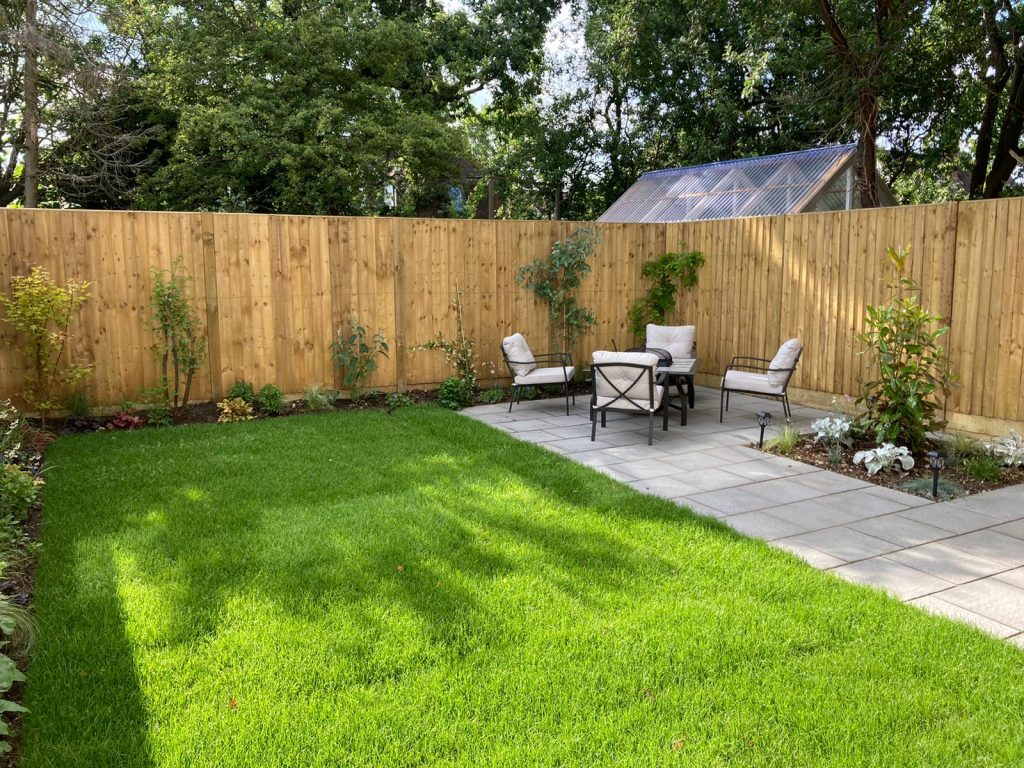
The Southwest London Gardener has been transforming gardens for over a decade, handling projects at every point on the spectrum from light-touch refreshes to full structural makeovers. That breadth of experience means a consultation starts with an honest assessment of what the garden actually needs, rather than a pitch for the most expensive option on offer.
For homeowners weighing up whether a makeover or a refresh is the right next step, the simplest way forward is to book a consultation. Get in touch to arrange a conversation, or browse the projects gallery for a sense of the standard of work delivered on recent local transformations.
Leave a Reply