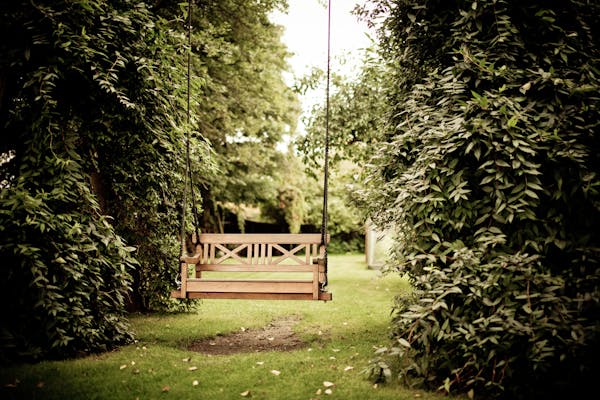
Standing in a sprawling London garden for the first time, most people assume the hard part is over. You’ve got the space. You’ve got the potential. Surely the rest just falls into place?
It doesn’t. And that’s something the endless “small space gardening” guides never prepare you for.
Here at The Southwest London Gardener, we spend a lot of time in compact courtyards and narrow terraces, squeezing every last inch from city gardens. We love those projects. But some of our most interesting work happens in the larger gardens scattered across Richmond, Wimbledon, and the quieter corners of Southwest London – properties with genuine acreage where the challenge isn’t maximising space, but knowing what on earth to do with it all.
If you’ve got a big garden that’s never quite worked, this one’s for you.
The Problem Nobody Talks About: Space Paralysis
Every gardening magazine, every Pinterest board, every TV programme focuses on making small spaces feel bigger. Clever mirrors. Vertical planting. Multi-functional furniture. Great advice if you’re working with a handkerchief-sized patio. But flip the problem around – what happens when you’ve got more space than you know what to do with? – and suddenly the advice dries up.
We call it space paralysis. You walk outside, look at all that empty ground, and your brain just… stalls. Where do you even begin? The options feel overwhelming because they genuinely are. A small garden has built-in constraints that guide decisions. A large garden offers freedom, which sounds wonderful until you’re standing there at 7am on a Saturday, wondering whether to start digging at the back fence or somewhere else entirely.
The result? Most large gardens we’re called into have evolved haphazardly over the years. A random tree here. A flower bed that seemed like a good idea once. A shed plonked in the only logical spot at the time. Nothing connects, nothing flows, and the whole thing feels like separate patches of garden rather than one cohesive space.
Sound familiar?
Why Large Gardens Need a Different Approach
It’s Not About Filling Space – It’s About Creating Rooms
Think of your favourite public parks or the gardens open under the National Garden Scheme. The ones that stay with you aren’t vast lawns stretching to infinity. They’re the ones that reveal themselves gradually – a shaded woodland walk giving way to a sunny herb garden, then a hidden bench overlooking a pond you didn’t know existed.
That principle scales down beautifully. A large garden doesn’t need to be one thing. It can be many things, each with its own character, connected by thoughtful transitions. We’ve created gardens in Twickenham with distinct zones – a productive vegetable area, a wildflower meadow section, a formal entertaining space near the house, and a woodland corner the children have claimed as their own. Each part works independently, but together they create a garden that genuinely gets used rather than just looked at through the kitchen window.
The trick is deciding what those zones should be before putting spade to earth. Get this wrong, and you end up with random features dotted around. Get it right, and your garden starts telling a story.
Scale Catches People Out
We see this constantly: planting schemes designed for a courtyard, transplanted into a space three times the size. What looked lush and full in someone’s imagination ends up looking sparse and slightly sad. Three ornamental grasses that would dominate a small border disappear entirely when planted across 40 metres of border.
Large gardens demand bold planting. Mass plantings of single species. Mature trees that make an immediate impact rather than saplings that’ll take fifteen years to look like anything. Hedging on a scale that creates real structure. Getting the proportions right takes experience – and frankly, it takes standing in enough gardens to know instinctively what works where.
Maintenance Becomes a Real Consideration
Here’s what nobody mentions in those aspirational garden makeover features: someone has to look after all of this.
A large garden that’s designed without considering maintenance is a garden heading for trouble. Those sweeping borders look incredible when they’re freshly planted. Come autumn, when everything needs cutting back and dividing, they’re either a full weekend of work or an expensive ongoing commitment. Neither is wrong, but you need to go in with your eyes open.
We talk about this honestly with clients from the start. How much time do you actually want to spend gardening? Be realistic, because “potter about on Sunday mornings” and “I love being hands-on” lead to very different design solutions. Some people want a garden that largely looks after itself, with perhaps a monthly maintenance visit from us to keep things ticking over. Others want to be out there every week, and they’d find a low-maintenance garden boring.
Neither approach is better. But designing a high-maintenance garden for someone who won’t maintain it guarantees disappointment for everyone involved.

Ideas That Actually Work in Large London Gardens
The Meadow Zone
If part of your garden currently functions as a guilt-inducing expanse of lawn that needs constant mowing, here’s a thought: let it go wild intentionally.
A wildflower meadow isn’t abandoning your garden – it’s transforming it. You mow paths through it, creating winding routes that invite exploration. You let native grasses and flowers establish themselves, bringing butterflies and bees you’ve never seen before. It looks intentional because it is. The path through an overgrown field looks like neglect. The same path through a meadow looks like design.
We’ve converted traditional lawns to meadows all over Southwest London, and the results astonish people. Suddenly, there’s movement and life where there was just green uniformity. And ironically, it takes less work than maintaining a pristine lawn, especially once established.
Productive Gardens at Scale
When you’ve got the space, growing your own food stops being a quaint hobby and becomes genuinely productive. We’re not talking about a few tomatoes in pots – we’re talking about proper kitchen gardens with raised beds, fruit trees, soft fruit cages, and dedicated composting areas.
The Victorian walled kitchen gardens at grand estates weren’t decoration. They fed households. Your large garden probably can’t match that, but with proper hard landscaping and planting design, it can supply more vegetables and fruit than you’d believe possible.
Woodland Planting
If your garden includes established trees – many larger Southwest London gardens have mature oaks, beeches, or sycamores – work with them rather than fighting them.
Underplanting with shade-loving natives transforms bare, dry ground beneath trees into something magical. Ferns, woodland bulbs, hellebores, epimediums – these plants thrive where lawn grass sulks and dies. Layer them properly, and you create woodland atmosphere that feels like it’s always been there.
This approach also provides crucial wildlife habitat. Dead leaves become homes for hedgehogs and insects. Native plants support food chains that exotic specimens simply can’t. Your garden becomes part of the local ecosystem rather than isolated from it.
Water Features Worth Having
The birdbath approach doesn’t cut it in a large garden. You need water that makes a statement – a proper wildlife pond, perhaps, with graduating depths and native planting at the margins. Or a formal reflecting pool that anchors a structured garden room. Something with presence.
Ponds in particular transform gardens. The wildlife they attract is immediate and obvious. Within weeks of installing ponds, clients report frogs, dragonflies, birds bathing and drinking, even the occasional heron visit. Your garden stops being a static picture and becomes an active, living place.
We design ponds to be self-sustaining wherever possible. The right balance of plants and wildlife keeps water clear without pumps or chemicals. It’s working with natural systems rather than fighting them – something we return to again and again.
Making It Happen: The Process
Design Comes First (Really)
The temptation with a large garden is to start doing things. Planting here, building something there, seeing how it develops. Resist this urge. The bigger your space, the more you need a proper plan before touching anything.
Good garden design for a large plot takes time. We visit multiple times at different times of day, different seasons if possible. We watch how light moves across the space, where water naturally drains, which views matter from the house and which need screening. We talk to you about how you actually live – not how garden magazines suggest you should live.
The design process itself often surprises clients. Questions they hadn’t considered come up. Possibilities they hadn’t imagined reveal themselves. By the time we’re ready to build anything, everyone knows exactly what’s happening and why. No guessing, no crossing fingers.
Phasing Large Projects
A comprehensive makeover of a large garden represents a significant investment. Not everyone wants to do everything at once, and honestly, that’s often the smarter approach anyway.
We frequently phase projects over multiple seasons. Year one might focus on structural elements – paths, terracing, hard landscaping that defines the bones of the garden. Year two addresses major planting. Year three refines and completes the details. Each phase delivers tangible improvement, and the overall result is often better because plants have time to establish between stages.
This isn’t about spinning work out – it’s about doing things properly. Rush a large garden project, and you make compromises you’ll regret. Take your time, and every element gets the attention it deserves.
Working With What’s Already There
Your large garden almost certainly contains things worth keeping. Mature trees, established hedging, old walls or outbuildings with character – these features took decades to develop. Ripping them out for the sake of starting fresh destroys value you can’t easily replace.
We assess existing features properly. That overgrown shrub might simply need professional pruning to reveal a beautiful mature plant underneath. The crumbling wall might be the perfect backdrop for a border if pointed and cleaned up. It’s about seeing potential where others see problems.
The most successful large garden makeovers combine new ideas with existing character. The garden feels like it’s evolved intelligently over time rather than being stamped from a template. That subtlety matters.

Ready to Actually Use Your Garden?
A large garden that isn’t working is worse than a small garden that is. All that space, all that potential, and somehow it never becomes the place you imagined when you bought the property.
It doesn’t have to stay that way. Whether you’re looking for a complete transformation or want to tackle specific problem areas, we’d love to talk through what’s possible.
The gardens we create aren’t showpieces you look at from inside. They’re spaces you actually live in, year-round, because they’ve been designed around how you want to spend your time. Large gardens take more thought, more planning, more expertise to get right – but when they work, they work brilliantly.
If your garden has space you’re not using, corners you never visit, or an overall sense that it should be so much better than it is, get in touch. We’ll visit, walk the space with you, and talk honestly about what would make the biggest difference. No pressure, no obligation, just a proper conversation about your garden’s potential.
Because a large garden isn’t a luxury if you’re not enjoying it. It’s just a lot of ground you happen to own.
Leave a Reply