

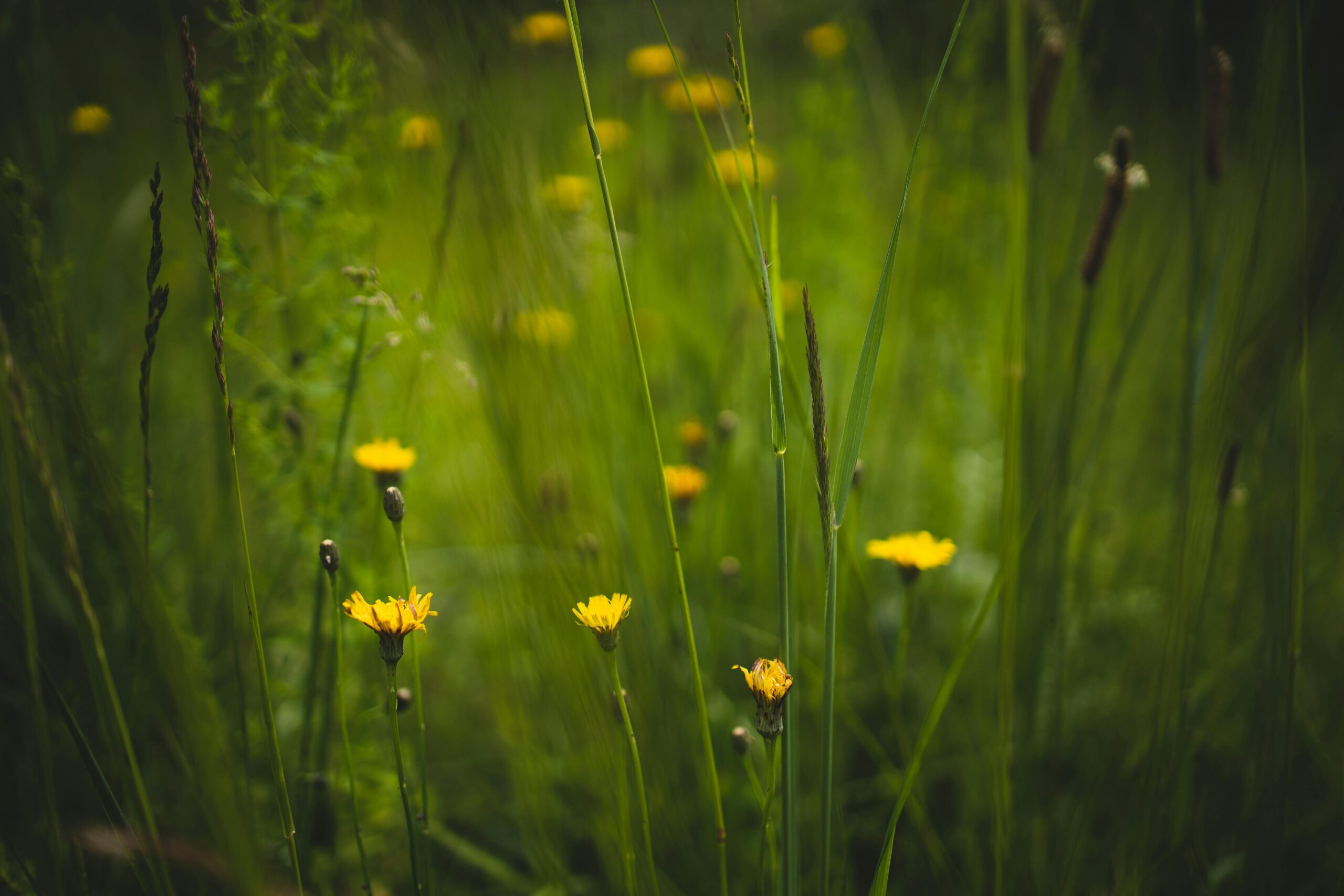
Your perfectly manicured lawn demands attention every weekend. The borders need constant weeding. That hedge won’t trim itself. There’s another way to approach your garden that requires less work, not more, and that’s letting it get a bit more wild.
Here at The Southwest London Gardener, we love creating natural gardens that work for our customers, and rewilding can be key to this.
We’ve created this blog to tell you more.
What is Garden Rewilding?
Rewilding means deliberately reducing your intervention and letting natural processes do the heavy lifting. You’re not abandoning your garden to chaos, but instead you’re choosing which battles to stop fighting. Native plants establish themselves. Wildlife finds habitat. The ecosystem balances itself without weekly maintenance sessions.
The approach differs from traditional gardening. Instead of imposing your will through constant mowing and chemical applications, you create conditions that allow natural systems to function. You’re still making design decisions, but you’re working as a facilitator rather than fighting nature’s preferences.
In London’s concrete landscape, your garden matters more than you’d think. That modest patch behind your house provides refuge for species that can’t find homes elsewhere. Urban rewilding turns private gardens into a network of connected habitats across the city. Each rewilded space becomes a stepping stone, allowing wildlife to move through otherwise hostile urban territory.
Why Rewild Your London Garden?
A rewilded garden demands less from you once established. Mowing drops from weekly to monthly, or stops entirely in rewilded sections. Water bills fall because native plants cope with local rainfall patterns. You’ll bin the fertilisers and pesticides, as these are unnecessary expenses for plants that thrive without chemical assistance.
The financial savings accumulate quickly. Consider what you currently spend on lawn treatments, pest controls, excessive water usage, and replacement plants that fail to thrive. Rewilding eliminates most of these costs whilst creating a more resilient garden.
Wildlife responds immediately. Birds arrive within weeks. Butterflies follow shortly after. Bees become regular visitors. Your garden joins the patchwork of urban habitats supporting London’s struggling species. Wildlife that’s declined dramatically in recent decades finds refuge in spaces that provide what modern development has removed.
The mental health benefits surprise most people. Natural spaces reduce stress more effectively than formal gardens. Watching ecological processes unfold without constant human interference provides a particular type of calm that manicured lawns can’t match. For families, rewilded sections offer educational opportunities where children learn about ecology through direct observation.

Getting Started: The Practical Steps
Assess What You Already Have
Walk your garden and note what already thrives without fuss. Those overgrown shrubs might need shaping rather than removal. Established plants have proven they work in your specific conditions. Start there.
Take notes about which areas receive full sun, which stay damp, and where shade dominates. These observations inform decisions about which plants to introduce and which areas to prioritise. Consider what you want to preserve. This could be a lawn section for children’s play or a clear patio space for dining. Rewilding doesn’t require transforming every square metre.
Start Small, Think Long-Term
Pick one area. Perhaps that awkward strip along the fence or the corner that’s always been troublesome. Transform that section first. Expand once you’ve seen what works.
Starting small allows you to gauge results without committing to wholesale changes. You’ll learn about your garden’s specific conditions and adjust your approach accordingly. Success in one area builds confidence for tackling the next.
Let Your Lawn Evolve
Mow less frequently and observe what appears. Daisies, clover, and self-heal establish quickly. These wildflowers feed pollinators. Raise your mower height and cut paths through longer grass rather than scalping everything. You’ll maintain access whilst creating habitat.
The transformation happens faster than you’d expect. Within three to four weeks of reduced mowing, you’ll notice different species emerging. Some areas develop thick, diverse growth, whilst others remain shorter naturally. Work with these variations rather than fighting them.
For bigger changes, replace lawn sections with native wildflower meadows. They need effort initially, such as preparing soil, sowing seed, and managing competition, but only require cutting twice yearly once settled. Spring and late summer cuts maintain the meadow whilst allowing plants to complete their flowering and seeding cycles.
Add Native Plants
Native species form the foundation of successful rewilding. They’ve evolved alongside local wildlife and provide exactly what insects, birds, and small mammals need. We source them locally when possible, ensuring they’re already adapted to Southwest London conditions. This reduces transplant shock and increases establishment success rates.
Introduce plants in groups rather than single specimens. Clusters create visual impact and support pollinator efficiency. Insects find grouped plantings more easily and spend less energy travelling between food sources.
Create Habitat Features
Wildlife needs more than plants. Log piles shelter insects that feed birds. Stack them in shaded corners where they’ll decompose slowly, providing long-term habitat. Varied log sizes accommodate different species, from tiny beetles to hedgehogs seeking winter refuge.
Leave fallen leaves in borders rather than clearing them away. They’re habitat and mulch combined, suppressing weeds whilst sheltering overwintering invertebrates. Only clear leaves from lawns and hard surfaces where they cause genuine problems.
Stone piles create refuges for beneficial insects and basking spots for creatures that need warmth. Position them in sunny locations where they’ll absorb heat during the day. Gaps between stones provide hiding places and hibernation sites.
Water needn’t be elaborate. A shallow dish topped up regularly provides drinking water for birds and bathing spots for feather maintenance. Position it where you can observe visitors but where birds feel safe from predators. Nearby cover allows nervous species to approach cautiously.

Managing the Transition
What About the Neighbours?
Rewilded gardens needn’t look abandoned. Define boundaries with paths or low hedging. Keep edges tidy whilst allowing interiors to develop naturally. This demonstrates intention rather than neglect. Most complaints about natural gardens stem from perceived neglect rather than the wildness itself.
Brief conversations prevent misunderstandings. Explain what you’re doing and why. Most neighbours respond positively once results become visible, particularly increased wildlife. Some might even adopt similar approaches once they see the benefits and reduced maintenance requirements.
Consider your garden’s visibility. Front gardens often face more scrutiny than private rear spaces. You might choose more conventional approaches for highly visible areas whilst rewilding hidden sections. Alternatively, well-designed front garden rewilding can inspire entire streets once neighbours see the results.
Dealing with Concerns About Pests
Rewilded gardens control pests naturally. Supporting predators like ladybirds, ground beetles, and insect-eating birds creates pest management that outperforms chemicals. Healthy ecosystems maintain balance and pest populations rarely explode when their natural predators thrive.
Aphids attract ladybirds and hoverflies whose larvae consume them voraciously. Slugs feed thrushes and hedgehogs. Accept minor pest damage as part of functional ecosystems. Plants cope with nibbled leaves far better than with chemical treatments that harm beneficial species alongside pests.
The Timeline
Visible changes appear within weeks. Wildflowers emerge once you stop frequent cutting. Insects arrive almost immediately. Some within days of planting appropriate species. Birds take longer to recognise reliable habitat, but within one season, you’ll notice increased activity.
Full establishment takes two to three years. Root systems need time to develop, and ecological relationships need time to form. Plants focus initial energy on root growth rather than impressive above-ground displays. Second and third year performance typically exceeds first year results dramatically.
Patience during establishment pays dividends. Resist the urge to intervene too quickly when plants look stressed or growth seems slow. Natural systems develop at their own pace, creating resilience that rushed approaches can’t match.
Common Mistakes to Avoid
Don’t clear everything simultaneously. Those “messy” areas might already support wildlife. Work gradually and observe what’s present before changing anything. You might discover established populations worth preserving.
Resist over-tidying. Seed heads that look untidy in autumn provide winter food for birds. Standing stems shelter overwintering insects that emerge in spring to pollinate your plants. Premature autumn clearance destroys habitat that wildlife depends on through harsh months.
Don’t expect instant perfection. Rewilding creates dynamic spaces that change through seasons and years. What looks sparse in year one develops into abundant growth by year three. Trust the process rather than panicking when initial results don’t match your expectations.
When to Seek Professional Guidance
Some rewilding aspects benefit from experienced input. Identifying which established plants to retain, sourcing appropriate native species, and managing transitions without creating genuine problems. These areas often justify professional involvement. The difference between successful rewilding and disappointing results often lies in initial plant selection and placement.
Professional guidance accelerates success. Our team help you avoid expensive mistakes, such as purchasing inappropriate plants, clearing valuable habitat, or creating designs that don’t function as intended. Our experience with natural gardening in London shortens your learning curve considerably.
Your Next Steps
Begin by observing. Spend time noting what already grows without assistance. These volunteers indicate what naturally thrives in your conditions. Photograph your garden through the seasons to understand how light, moisture, and growth patterns change.
Build from your observations, adding complementary native species and reducing intervention. Start with easy wins, such as reducing mowing frequency, which costs nothing and produces immediate results. Gradually introduce changes as you gain confidence.
Within months, you’ll have something genuinely valuable, such as a garden supporting both you and the wider natural world. It’ll require less time and resources whilst providing greater satisfaction. That’s not a compromise. It’s finding approaches that work sustainably rather than demanding constant effort to maintain artificial conditions.
The transformation extends beyond your garden’s boundaries. Every rewilded space contributes to London’s ecological network. Your modest patch becomes part of something larger, supporting species across the city whilst giving you a more enjoyable, lower-maintenance garden.
Ready to explore rewilding for your London garden? Our team brings decades of combined experience creating natural, sustainable spaces across Southwest London. We’ll help develop an approach suited to your specific garden and goals.
Contact us today to discuss how rewilding could transform your outdoor space.


